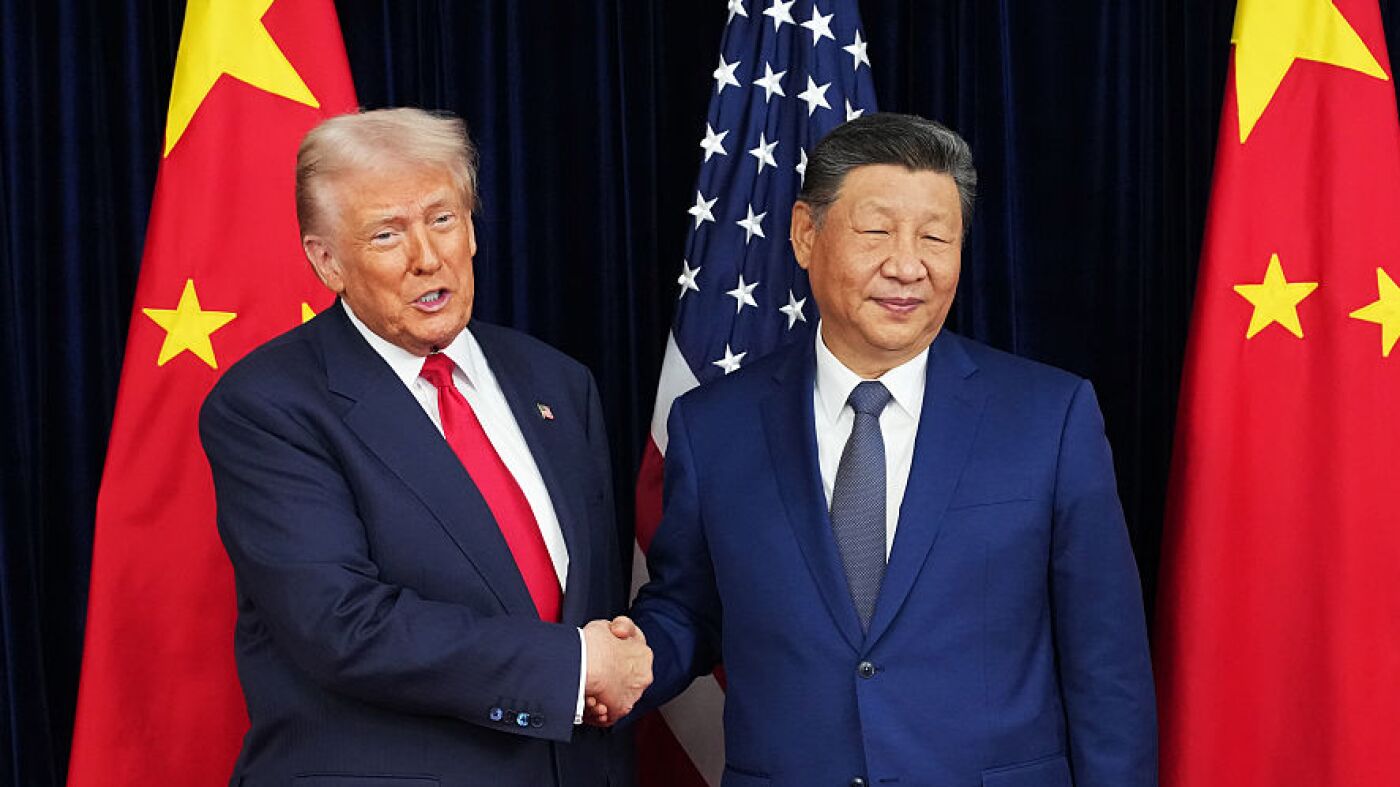
"Almost 8 in 10 respondents said China wants to be the dominant world leader. But by a 56% to 29% margin, they see the threat as more economic than military. Only 13% believe China represents no threat at all to the U.S."
"A majority of Americans sees China as either a rival (37%) or an adversary (21%), though more see it as a rival. Another 1 in 5 see it as a necessary strategic partner, and only 2% view it as an ally. Of the 10 countries asked about, only Russia was viewed more antagonistically."
"Tariffs are strongly viewed as bad for the cost of living in the United States (76%), Americans' standard of living (70%), creating American jobs (61%), as well as the Chinese (72%) and American (66%) economies. A majority of Republicans, however, appear to largely agree with the Trump administration argument that tariffs are good for creating jobs (66%), the U.S. economy (64%) and their own standard of living (52%)."
"Two-thirds said they see Russia as an adversary (43%) or rival (21%). Australia was the country most seen as an ally (51%), followed by Japan, Germany and South Korea. Saudi Arabia and India were the most likely to be seen as strategic partners."
Americans largely see China as an economic rival aiming for global dominance. Nearly 8 in 10 respondents believe China wants to be the dominant world leader, and most view the threat as primarily economic rather than military. Only a small share believes China poses no threat. Most respondents categorize China as a rival or adversary, while some see it as a strategic partner and very few see it as an ally. Tariffs are widely viewed as harmful to U.S. costs of living, standards of living, and jobs, and also harmful to both U.S. and Chinese economies. Republicans are more likely than independents and Democrats to view tariffs as beneficial.
Read at www.npr.org
Unable to calculate read time
Collection
[
|
...
]