"The holders of U.S. debt have shifted drastically over the past decade, tilting more toward profit-driven private investors and away from foreign governments that are less sensitive to prices. That threatens to turn the U.S. financial system more fragile in times of market stress, according to Geng Ngarmboonanant, a managing director at JPMorgan and former deputy chief of staff to Treasury Secretary Janet Yellen."
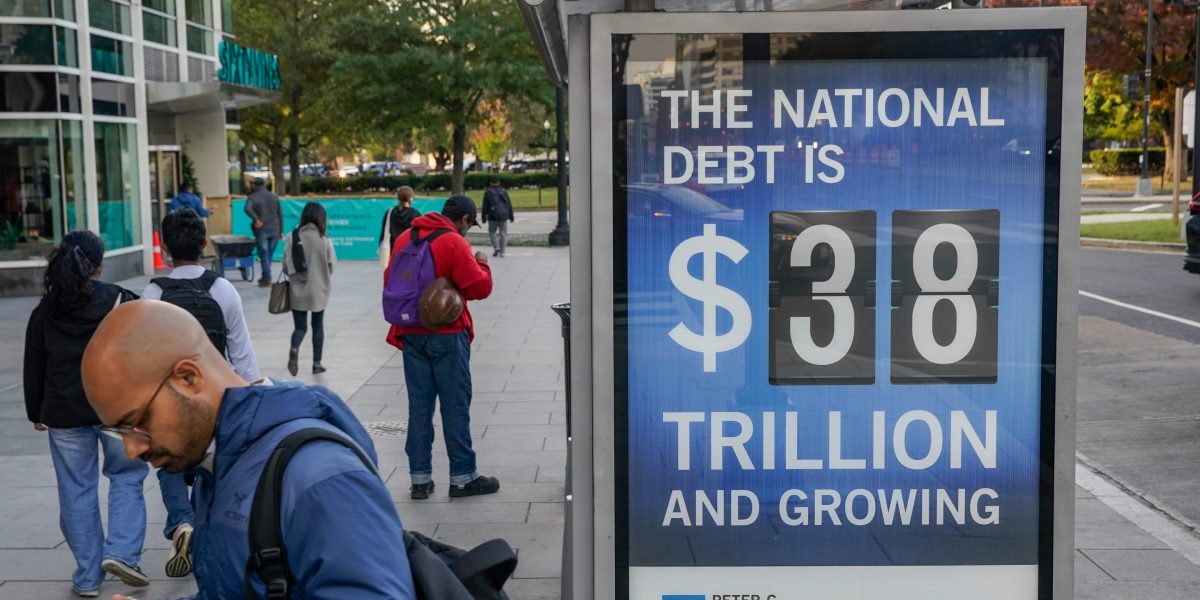
"While they didn't dump Treasuries and still hold roughly the same amount as 15 years ago, foreign governments didn't ratchet up their buying in line with the recent surge in U.S. debt, which now tops $38 trillion. Private investors have stepped in to absorb the massive supply of Treasury bonds, but they are also more likely to demand higher returns, making rates more volatile, Ngarmboonanant pointed out."
Holdings of U.S. debt have shifted from foreign governments to profit-driven private investors over the past decade. Foreign governments once accounted for over 40% of Treasuries but now make up less than 15% of the market. Private investors, including hedge funds that doubled their presence in four years, absorbed the increased supply and tend to demand higher returns, raising volatility. The largest share of U.S. debt held abroad is now in the Cayman Islands. Hedge fund trading contributed to recent unusual turbulence in the Treasury market. Reliance on productivity gains, stablecoins, Fed cuts, or inflation to support debt could backfire.
Read at Fortune
Unable to calculate read time
Collection
[
|
...
]