Communities are advancing climate solutions despite federal inaction by reducing climate pollution and adapting to extreme weather. Turfgrass covers about 40 million acres in the United States, and maintaining it creates environmental impacts. Gas-powered yard equipment releases large amounts of air pollutants each year, while fertilizers and weedkillers wash into storm drains and flow into lakes and rivers. Shrinking lawns can reduce these impacts and create space for gardens that support wildlife. North America has lost large shares of birds and butterflies, and native plant gardens can help reverse habitat loss. Reducing lawns by half and adding native plant gardens could create habitat comparable to major national parks combined. Starting small can prevent weed, mud, and erosion problems.
"Turfgrass in the United States now covers an estimated 40 million acres — an area about the size of the state of Georgia — and these manicured lawns take an environmental toll. Gas-powered yard equipment, like lawn mowers and trimmers, put out 30 million tons of air pollutants a year, the Environmental Protection Agency says. To keep our lawns tidy and green, we also use weedkillers and fertilizers. When it rains, those chemicals escape our yards and make their way through storm drains to our lakes and rivers."
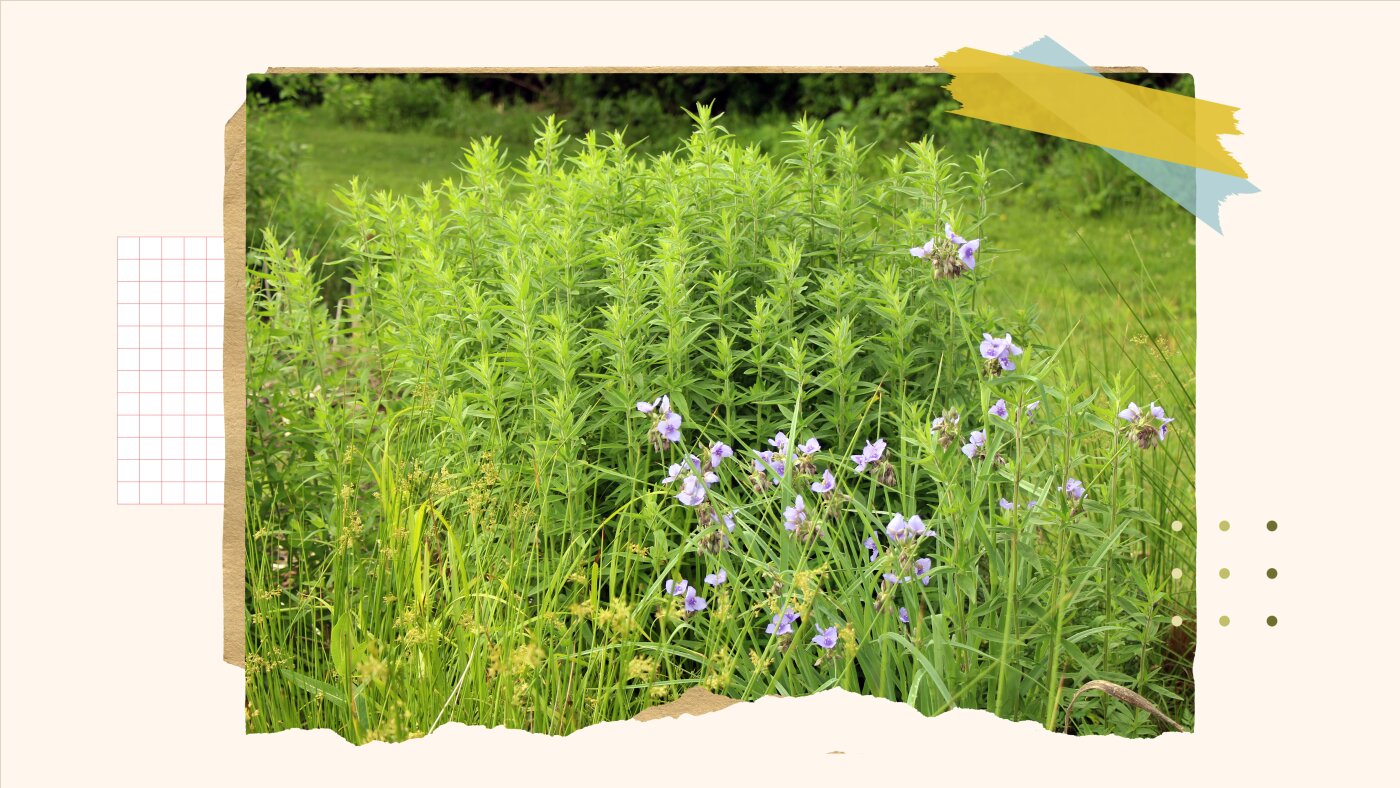
"Shrinking lawns can reduce all these impacts. It can also create space for gardens that feed wildlife — great news at a time when North America has lost one-quarter of its birds and the U.S. has lost one-fifth of its butterflies. University of Delaware entomologist Doug Tallamy has calculated that if Americans reduced their lawns by half and added native plant gardens to feed birds, butterflies and other wildlife, this would create more habitat than Yellowstone and a dozen other major national parks combined."
"Interested in ditching your lawn? These tips can get you started. 1. Choose a spot where you'll kill some grass Consider starting small, especially if you're new to gardening. "It can be overwhelming to take on an expansive garden," says Stacia Stelk, executive director of Deep Roots KC, a group that teaches the public how and why to plant habitat gardens in the Kansas City region. "As you get more comfortable, there's always room to expand.""
#climate-solutions #turfgrass-and-lawn-care #native-plant-gardening #air-pollution-and-runoff #wildlife-habitat
Read at www.npr.org
Unable to calculate read time
Collection
[
|
...
]