Japan pledged to suspend an 8% sales tax on food, but the change is delayed. Retail systems that process cash and cardless payments were not designed to calculate a zero tax rate. Manufacturers say the required overhaul could take up to a year. Major political parties promised some form of food tax cut or temporary abolition during the February election amid a cost-of-living crisis. The winning Liberal Democratic Party proposed reducing the rate to zero for two years by March of the following year. After opposition pressure for a timetable, the prime minister blamed inflexible cash registers and criticized the inability to adjust tax rates during emergencies. Critics argue the register issue may be used to delay funding plans for the tax suspension, given Japan’s very high public debt and the fiscal cost of the pledge.
"The Japanese government has pledged to suspend an 8% sales tax on food but says it is being thwarted by an unexpected opponent uncooperative cash registers. According to the devices' manufacturers, the systems at big retail chains that process everything from cash to cardless transactions were never designed to calculate a tax rate of zero and so they require a major overhaul that could take up to a year."
"All the major parties running in Japan's February election, which prime minister Sanae Takaichi's Liberal Democratic party (LDP) won by a landslide, promised some form of cut or temporary abolition of the 8% consumption tax on food as people struggled with a cost-of-living crisis. The LDP's manifesto called for the rate to be reduced to zero for two years, to be implemented by March next year."
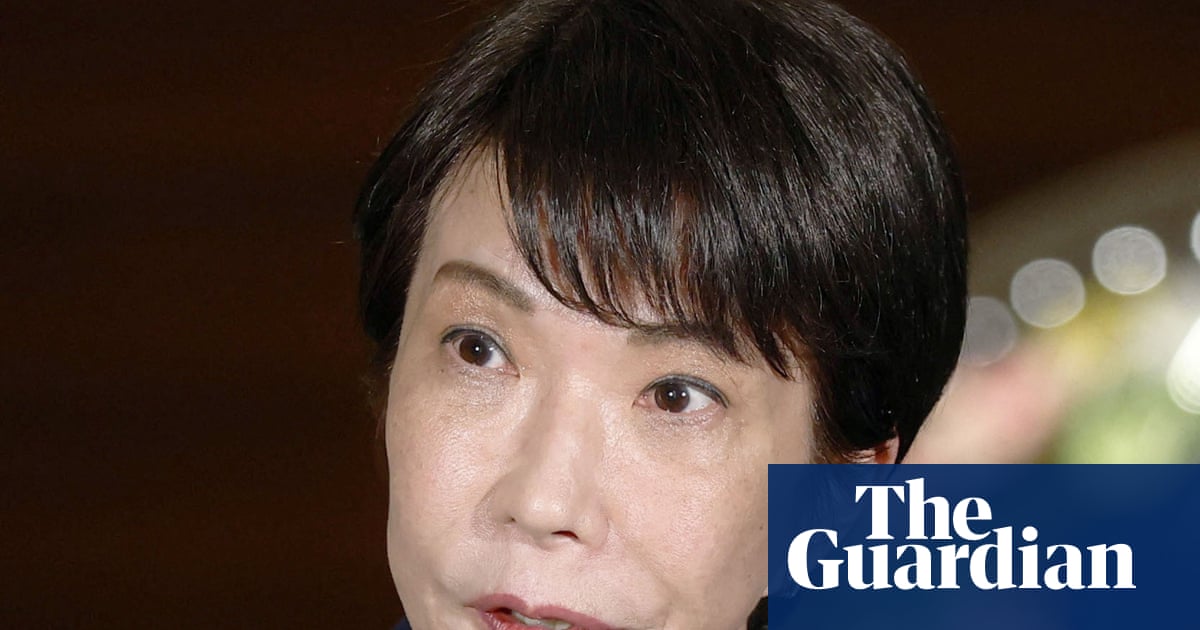
"However, after being repeatedly pressed by opposition parties on a concrete timetable, Takaichi put the fault for the delay firmly at the feet of cash registers. The prime minister blamed the inflexible machines, calling the situation an embarrassment for Japan at a parliamentary committee on 11 May. She added that it was nothing short of pathetic that we can't even flexibly change tax rates when a pandemic or major disaster occurs."
"Some believe the issue called the reji-kabe, or register wall, in some quarters of the domestic media is being used as a delaying tactic while the ministry of finance works out a plan to fund the tax suspension. Japan's public debt-to-GDP ratio is the highest in the world, at about 230%. The tax pledge on food would cost the finance"
Read at www.theguardian.com
Unable to calculate read time
Collection
[
|
...
]