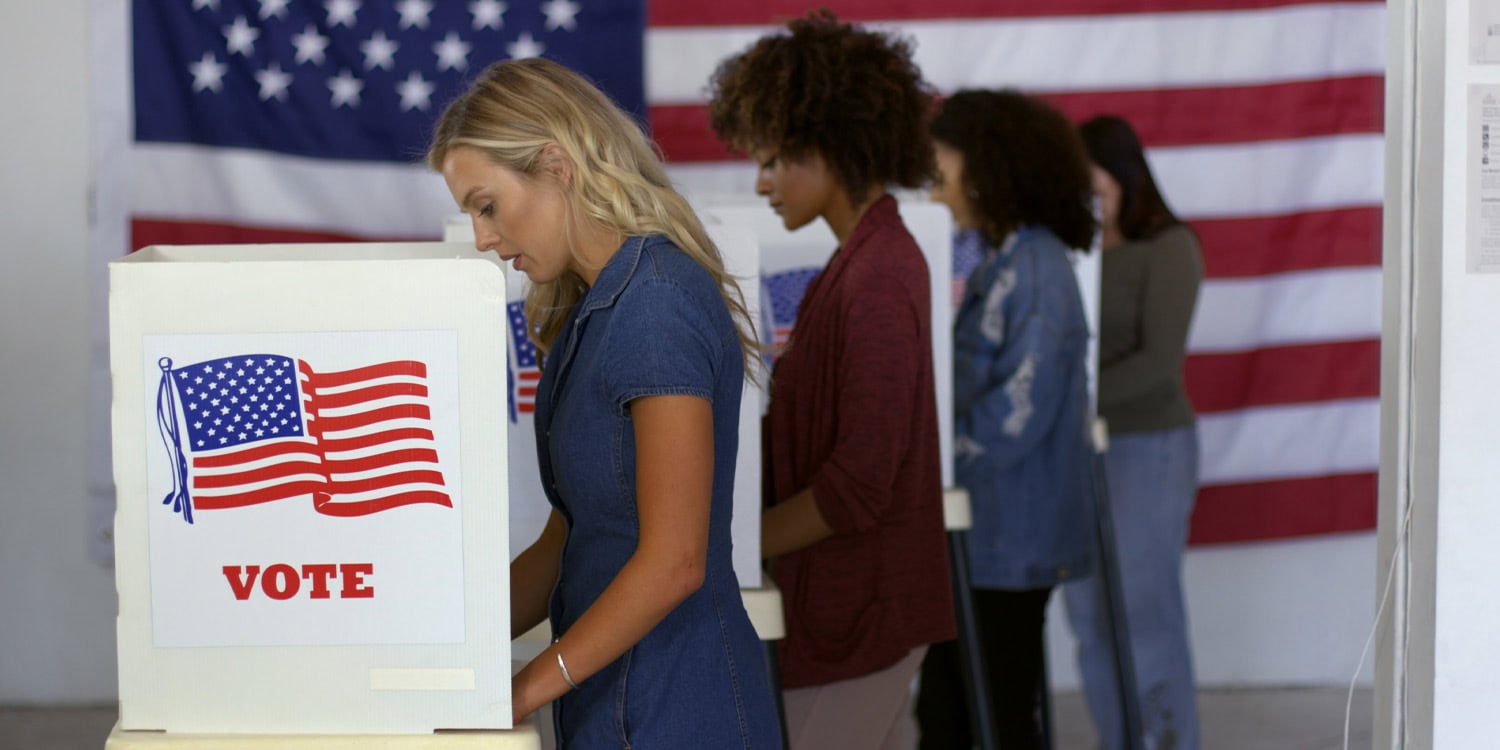
"Digital advertisements designed to discourage voting were heavily aimed at specific demographic groups during the 2016 United States presidential election. People who saw these undisclosed political advertisements were less likely to cast a ballot compared to those who did not. The research, published in PNAS, presents real-world data connecting personalized social media messaging to offline voting behavior."
"Political campaigns have a history of trying to demobilize selected segments of the population. This practice is known as voter suppression. It involves targeted strategies intended to discourage or prevent opposing demographic groups from casting ballots."
"Advertisers use microtargeting to reach these specific audiences online. They rely on vast amounts of data regarding user interests, geographic locations, and demographic backgrounds. Social media companies package this data into consumer categories, which allows political groups to deliver customized messages to very narrow slices of the public."
"Many of these digital strategies operate in regulatory blind spots. The messages frequently come from undisclosed campaigns that do not file financial reports with traditional tax agencies or federal election regulators. Because these sponsors remain anonymous, misleading election content can spread unchecke"
Digital political advertisements designed to discourage voting were targeted at specific demographic groups during the 2016 United States presidential election. People who saw these undisclosed political advertisements were less likely to cast a ballot than people who did not. The findings connect personalized social media messaging to offline voting behavior using real-world data. Voter suppression has long used targeted strategies to discourage or prevent opposing groups from voting. Earlier methods included physical intimidation and restrictive local regulations such as poll taxes, strict identification laws, and confusing information about polling locations. Modern efforts increasingly use digital microtargeting through customized feed algorithms and packaged user data, including interests, geography, and demographics. Some campaigns operate in regulatory blind spots with anonymous sponsors, allowing misleading election content to spread without accountability.
#voter-suppression #microtargeted-political-advertising #social-media-algorithms #election-interference #2016-us-presidential-election
Read at PsyPost - Psychology News
Unable to calculate read time
Collection
[
|
...
]