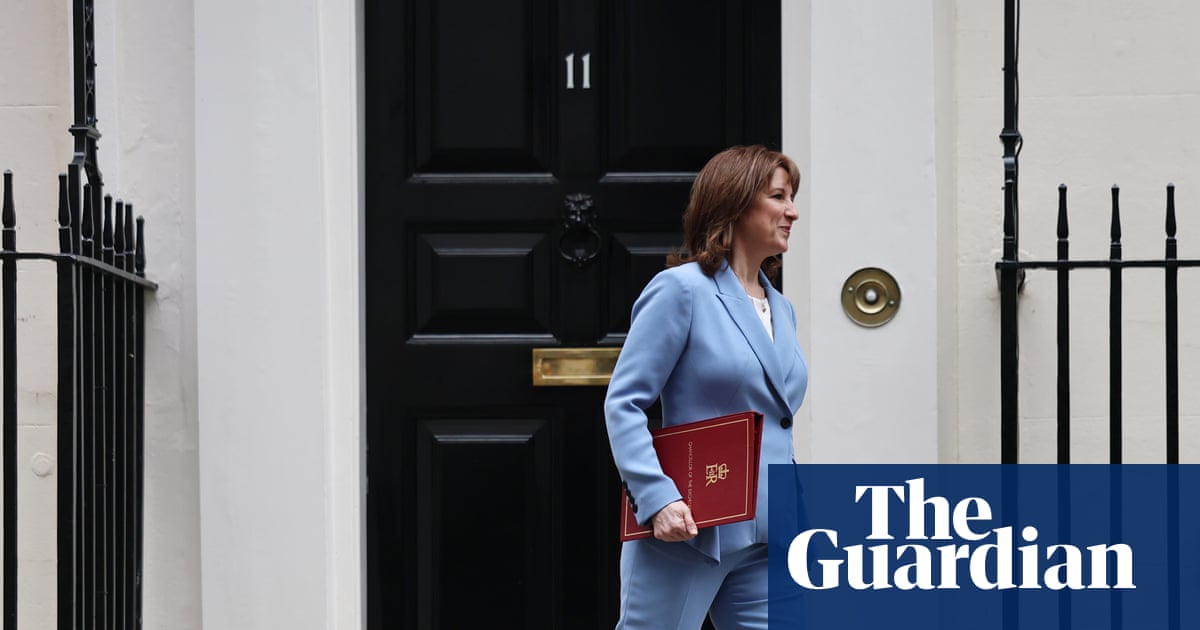
"This sexy headline is derived from an unsexy bit of maths – a comparison of the average disposable income in the final year of the Tory government (25,600) with the projection for the final year of the current parliament (26,685). The difference is 1,085. Officially called real household disposable income, this is the money people have left to spend – adjusted for inflation – after they have paid their taxes."
"One reason for the sluggish progress is the decision to freeze income tax thresholds until the 2030-31 tax year. This results in what is called fiscal drag: a phenomenon where people are dragged into higher tax bands when they get pay rises."
"After soaring above 11% at the height of the cost of living crisis, the drift downwards in the pace of price rises had fuelled expectations of further interest rate cuts. However, the outbreak of the Iran crisis this week has sent energy prices soaring, raising fears of another cost of living spike."
Chancellor Rachel Reeves claims her economic policies are improving household finances post-cost-of-living crisis, projecting average disposable income will increase by £1,085 by the next general election. This figure compares final-year Tory government disposable income (£25,600) with current parliament projections (£26,685). Real household disposable income—money remaining after taxes and adjusted for inflation—is forecast to grow 0.6%-0.9% annually through 2030, representing relatively modest progress. Income tax threshold freezes until 2030-31 create fiscal drag, pushing earners into higher tax bands. Inflation is projected near the 2% target after exceeding 11% during the crisis. However, Middle East tensions have driven energy prices higher, threatening renewed cost-of-living pressures and potentially undermining economic forecasts.
Read at www.theguardian.com
Unable to calculate read time
Collection
[
|
...
]