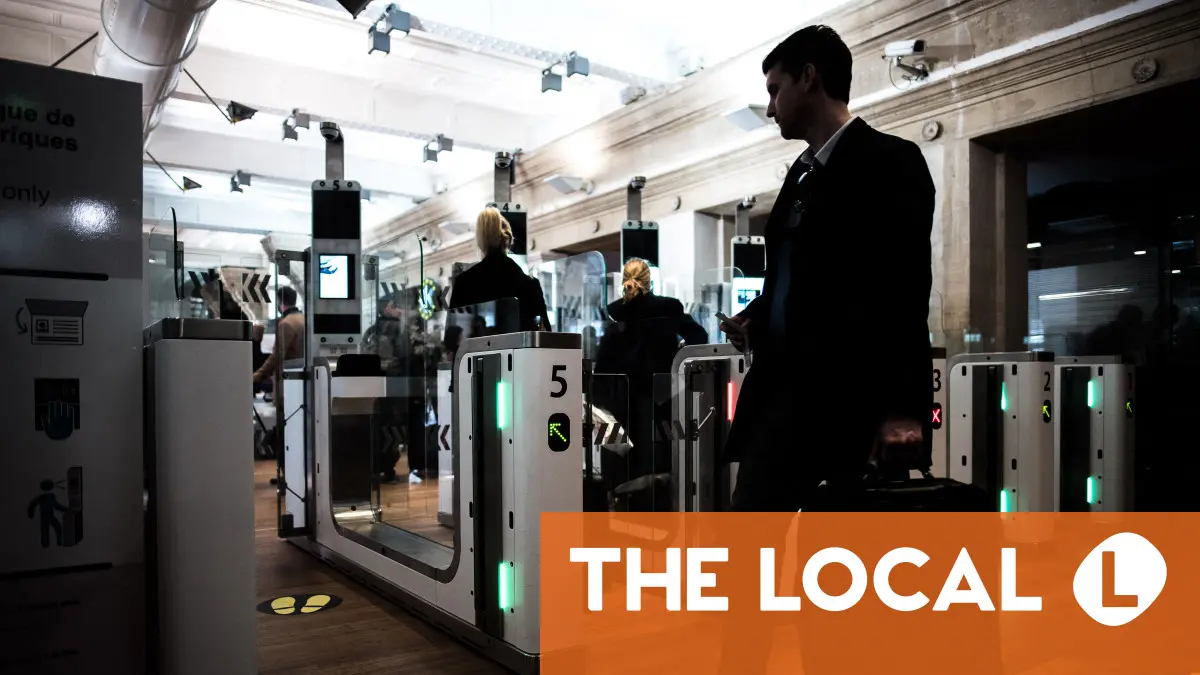
"From February 2026, most dual British citizens will need to use a British passport to travel to the UK. Presenting only a non-British passport will no longer be sufficient for boarding flights or ferries, unless it carries a certificate (costing £589) that confirms right of abode. The rule was introduced to align dual nationals with the UK's new electronic travel authorisation (ETA) system and to prevent confusion in border checks."
"In legal terms, nothing fundamental has changed. British citizens still have the right to enter and live in the UK. But in practice, the way that right must be demonstrated has shifted. And that shift tells us something important about how citizenship is being reshaped in the digital age. Over the past three decades, dual citizenship has become widely accepted internationally. In 1990, fewer than a third of countries allowed dual nationality in cases of naturalisation. By 2016, roughly three-quarters did."
From February 2026 most dual British citizens will be required to present a British passport to travel to the UK; a non‑British passport alone will not permit boarding unless accompanied by a certificate confirming right of abode, costing £589. The change aligns dual nationals with the UK’s electronic travel authorisation (ETA) system and aims to reduce confusion at border checks. The legal right of British citizens to enter and live in the UK remains unchanged, but the practical demonstration of that right has shifted. Dual citizenship has grown internationally and within the UK, with increases linked to demographic change and Brexit.
Read at The Local France
Unable to calculate read time
Collection
[
|
...
]