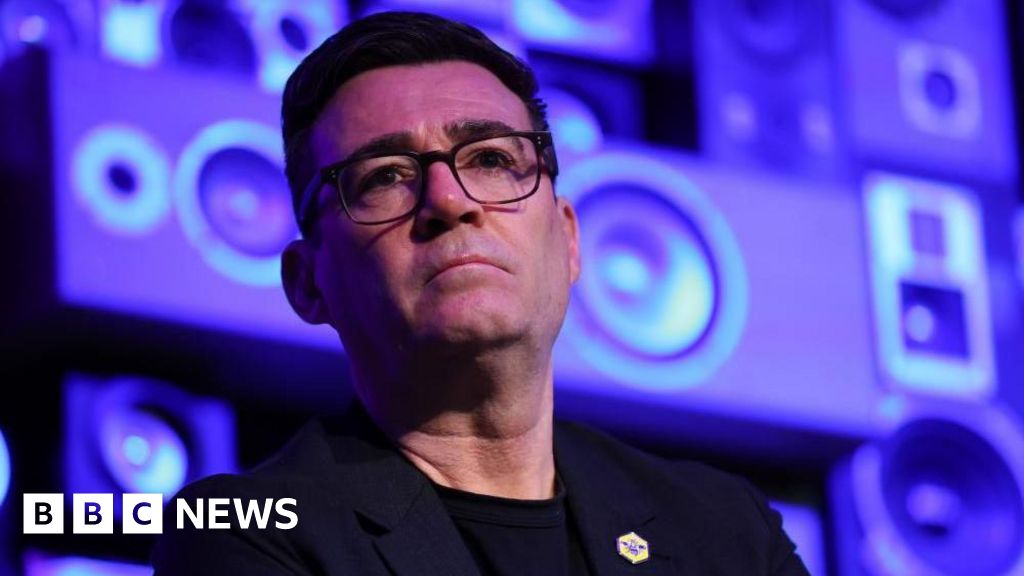
"The 10-year bond yield - effectively the interest rate charged to the UK government for a 10-year loan - rose to 5.11% on Friday from 4.99% at the start of trade. The pound fell 0.3% against the dollar to $1.3371, having fallen sharply late on Thursday after Burnham's announcement. Kathleen Brooks, research director at XTB, said the falls meant the pound was 1.5% lower this week."
"Analysts said the UK movements have been greater, which analysts said had been fuelled by market concerns that a Burnham-led government would increase borrowing. "This is a sign that Burnham is the least market-friendly of all the candidates, as Wes Streeting's resignation did not have the same negative effect on the pound," she said."
"Long-term borrowing costs also rose, with the yield on 30-year gilts climbing to 5.779%. Borrowing costs for other governments also rose on Friday, as worries persist about how the Iran war could push up inflation due to the surge in energy costs. The price of global oil benchmark Brent crude surged on Friday morning to over $109 a barrel, up from $105.72 on Thursday."
"In an interview with the New Statesman last year, Burnham said the government had to "get beyond this thing of being in hock to the bond markets". AJ Bell investment director Russ Mould said while there was no guarantee Burnham would win a seat in parliament or contest the leadership, his New Statesman comment had "helped push UK borrowing costs higher and seen the pound slump"."
UK government borrowing costs increased and the pound weakened following Andy Burnham’s decision to contest a by-election during the Labour leadership contest. The 10-year bond yield rose to 5.11% from 4.99%, and the pound fell 0.3% against the dollar to $1.3371, with a weekly decline of about 1.5%. Long-term borrowing costs also rose, with 30-year gilt yields climbing to 5.779%. Similar increases occurred in other European government borrowing costs amid concerns that the Iran war could raise inflation through higher energy prices, with Brent crude rising above $109. Markets viewed a Burnham-led government as more likely to increase Britain’s already high public borrowing, and prior comments about reducing reliance on bond markets were linked to the move.
#uk-government-bonds #labour-leadership #pound-sterling #public-borrowing #energy-prices-and-inflation
Read at www.bbc.com
Unable to calculate read time
Collection
[
|
...
]