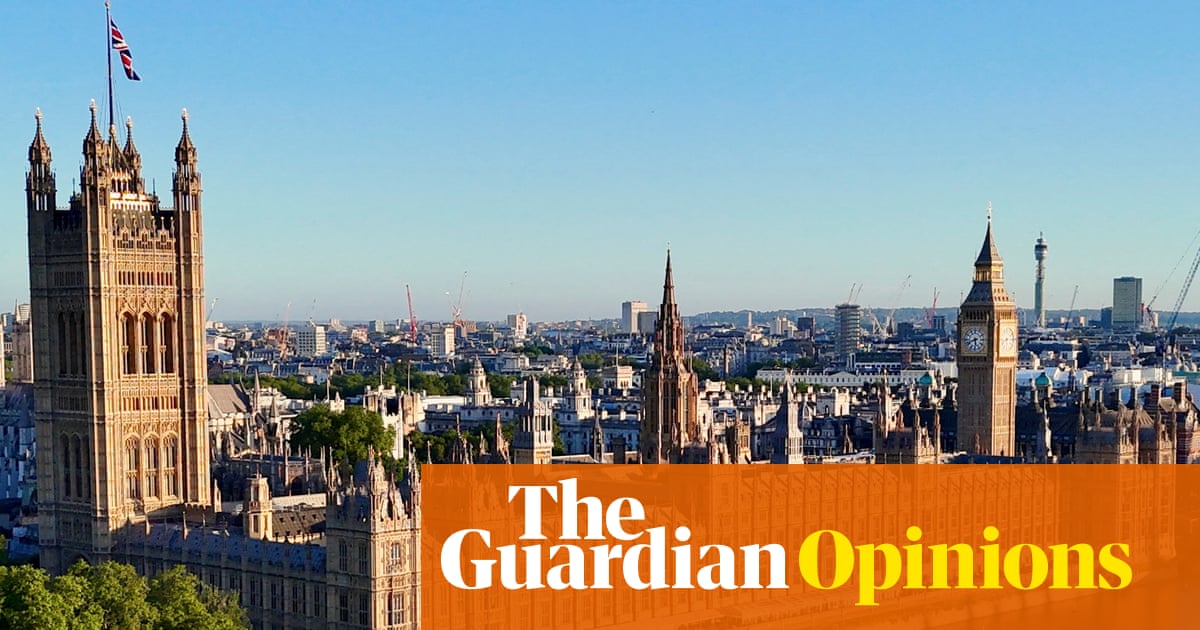
"The palace, rebuilt after a fire destroyed it in 1834, is falling apart. There have been 36 fire incidents since 2016. Water leaks, heating failures and sewerage problems plague the heart of this Unesco world heritage site. Fixing Westminster would save money in the long run. An upgrade is also a matter of safety and legacy."
"Both chambers could move out of the palace for the main works, which could last two decades, at a cost, including inflation, of 16bn. The alternative is for the Lords to move out for up to 13 years, allowing the Commons to decant into the upper house. But that option would prolong the overall works programme to as much as 61 years and cost 40bn."
"In an era when Britain is one of the most regionally unequal countries in Europe, public services are under strain and wages are stagnant, the public may view MPs voting to spend 16bn on a new building for themselves as self-indulgent."
The Palace of Westminster faces severe deterioration requiring urgent restoration and renewal. Since 2016, 36 fire incidents have occurred, alongside persistent water leaks, heating failures, and sewerage problems threatening this UNESCO heritage site. The restoration and renewal client board proposes two options: both chambers relocating for approximately 20 years at £16 billion total cost, or the Lords moving temporarily while Commons use the upper house, extending works to 61 years at £40 billion. The decision carries significant implications for parliamentary operations and public perception. MPs previously determined Westminster's problems stem from building decay rather than governmental centralization. However, spending billions on parliamentary refurbishment while constraining investment in regional infrastructure and public services risks appearing self-indulgent to the public.
#palace-of-westminster-restoration #parliamentary-relocation #infrastructure-spending #public-perception-and-governance #building-safety-and-heritage
Read at www.theguardian.com
Unable to calculate read time
Collection
[
|
...
]