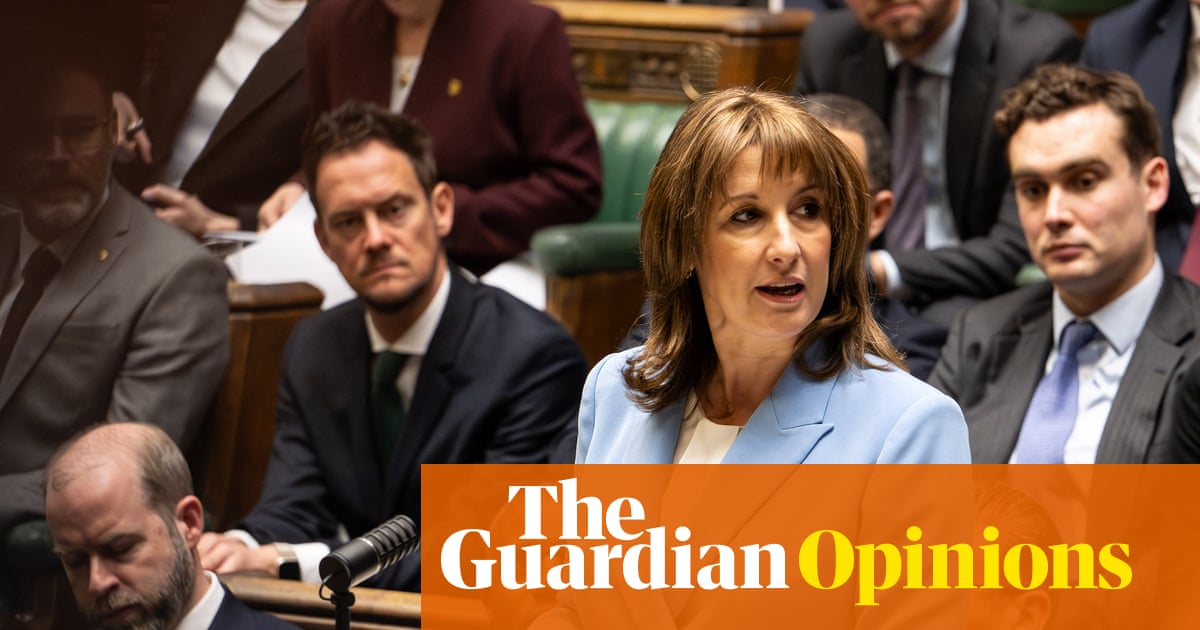
"If energy prices spike, the economy suffers a drop in real income. The question is: who soaks up that loss? Households, firms or the state, via higher deficits? Privileging fiscal credibility might signal that she prefers households to absorb the shock rather than the state."
"The OBR's projected decline in borrowing relies on taxes climbing to a post-second world war high by 2030-31 and departmental spending shrinking as a share of GDP after 2027-28. That means real pressure on household budgets and public services unless growth outperforms expectations."
"Ms Reeves says fiscal credibility matters. But it will ring hollow if, as the Joseph Rowntree Foundation warns, real incomes fall between this April and 2029. The chancellor will be judged on how she deals with any crunch."
Middle East tensions have driven oil and gas prices higher, exposing Britain's vulnerability to global energy markets. Rising energy costs directly impact household bills, business expenses, and inflation. Chancellor Rachel Reeves emphasized fiscal discipline and credibility, with the Office for Budget Responsibility projecting falling borrowing and increased policy headroom. However, this approach raises questions about flexibility if energy shocks persist. The government's fiscal strategy relies on taxes reaching post-WWII highs by 2030-31 and departmental spending declining as a GDP share after 2027-28. Without measures to cushion sustained energy price increases, economic growth may weaken or inflation rise. The challenge lies in balancing fiscal credibility with protecting household incomes and public services during geopolitical uncertainty.
#energy-prices-and-inflation #fiscal-policy-and-credibility #household-income-and-living-costs #uk-economic-vulnerability
Read at www.theguardian.com
Unable to calculate read time
Collection
[
|
...
]