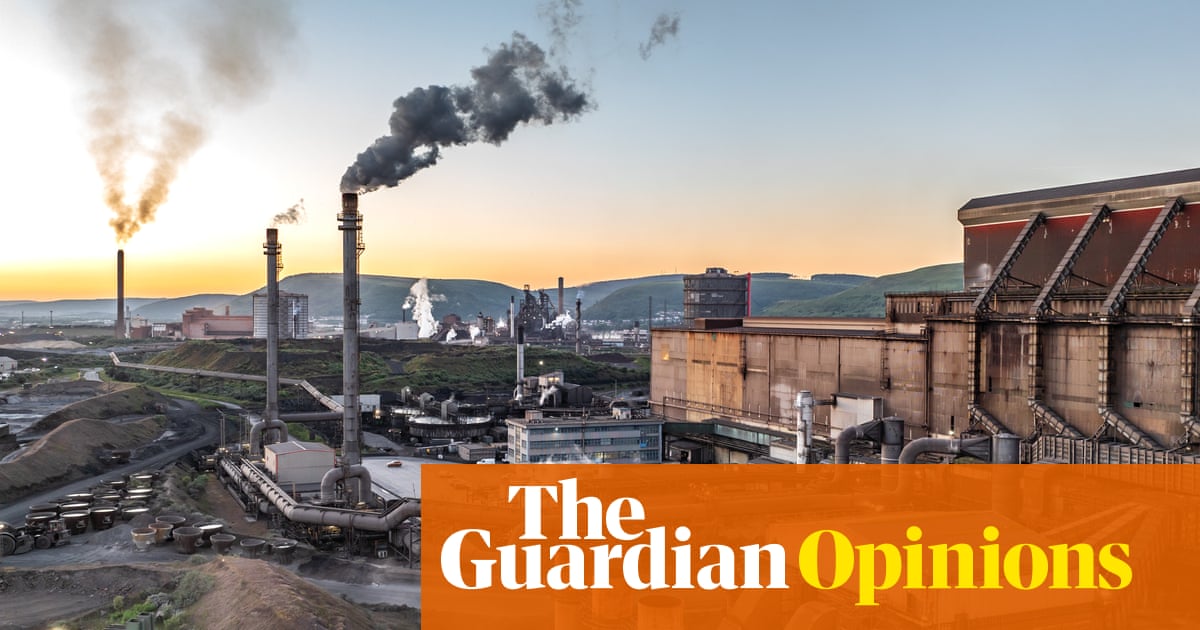
The UK government's tariff increases and nationalization of blast furnaces signal fundamental economic dysfunction. Political leaders across the centre-left and left spectrum acknowledge problems but disagree on causes. Brexit has raised business costs and reduced EU market access. The Office for Budget Responsibility may underestimate public investment benefits, constraining state capacity. Cost pressures from geopolitical tensions dominate political discourse. Policies addressing rents, energy, and wealth redistribution gain traction. However, underlying structural issues persist: weak productivity growth since 2008, persistent current account deficits, heavy dependence on imports, stagnant real wages, and declining labor bargaining power. These productivity and capacity challenges require comprehensive solutions beyond addressing individual cost factors.
"Sir Sadiq, the London mayor, is right that Brexit has raised costs for businesses and households. Closer EU alignment would improve trade, investment and market access. That matters. But rejoining the EU won't on its own rebuild the UK's domestic capability."
"Since 2008, Britain's economy has been characterised by both weak productivity growth and a persistent current account deficit. The UK is now highly dependent on imported energy, food and manufactured goods. Real wages have stagnated, reflecting both flat output per worker gains and a decline in labour's bargaining power."
"If the Office for Budget Responsibility (OBR) understates the benefits of public investment, the state may be constraining itself unnecessarily. That matters too. However, changing the OBR model is not a strategy."
#uk-economic-policy #productivity-and-capacity #political-debate #government-intervention #fiscal-constraints
Read at www.theguardian.com
Unable to calculate read time
Collection
[
|
...
]