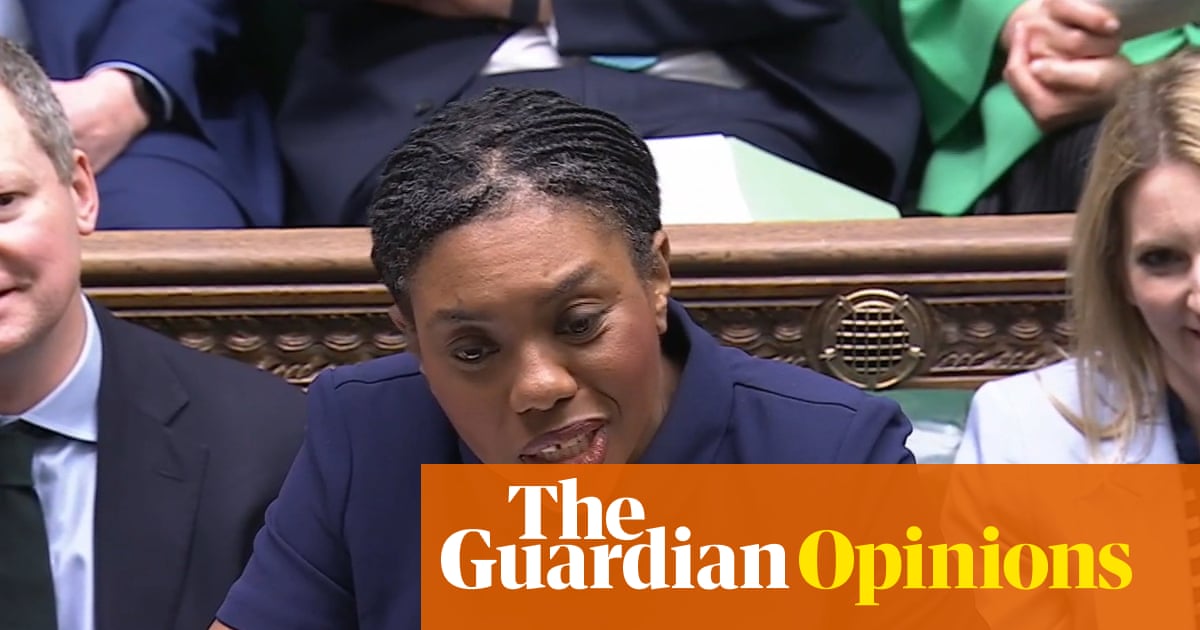
"Britain is one of many countries that would benefit from the replacement of brutal theocracy with democratic government in Tehran. The Iranian people would be the biggest beneficiaries. It does not follow that British interests are served by the current US-Israeli military campaign against Iran, which claims regime change as a goal but includes no credible strategy for achieving it."
"It is now clear that Mr Trump has blundered into an open-ended conflict without having thought through the predictable economic consequences of a campaign that drives up oil prices, disrupts trade in the Gulf, spooks financial markets and stokes inflation. Reluctance to be associated with those costs is the countervailing impulse leading Mrs Badenoch to distance herself from an ill-conceived military misadventure."
Britain faces a complex choice regarding Iran policy. While replacing Iran's theocracy with democracy would benefit both the Iranian people and British interests, the current US-Israeli military campaign against Iran lacks a credible strategy for achieving regime change. Prime Minister Sir Keir Starmer maintained appropriate distance from this conflict, recognizing the absence of legal mandate and strategic clarity. Conservative leader Kemi Badenoch initially called for RAF involvement, aligning with Trump's position, but later distanced herself as the conflict's economic consequences became apparent. Her shifting stance reflects conflicting impulses between alignment with the White House and concern about rising oil prices, trade disruption, and inflation resulting from the military campaign.
#iran-policy #british-foreign-policy #us-israeli-military-campaign #political-inconsistency #economic-consequences-of-conflict
Read at www.theguardian.com
Unable to calculate read time
Collection
[
|
...
]