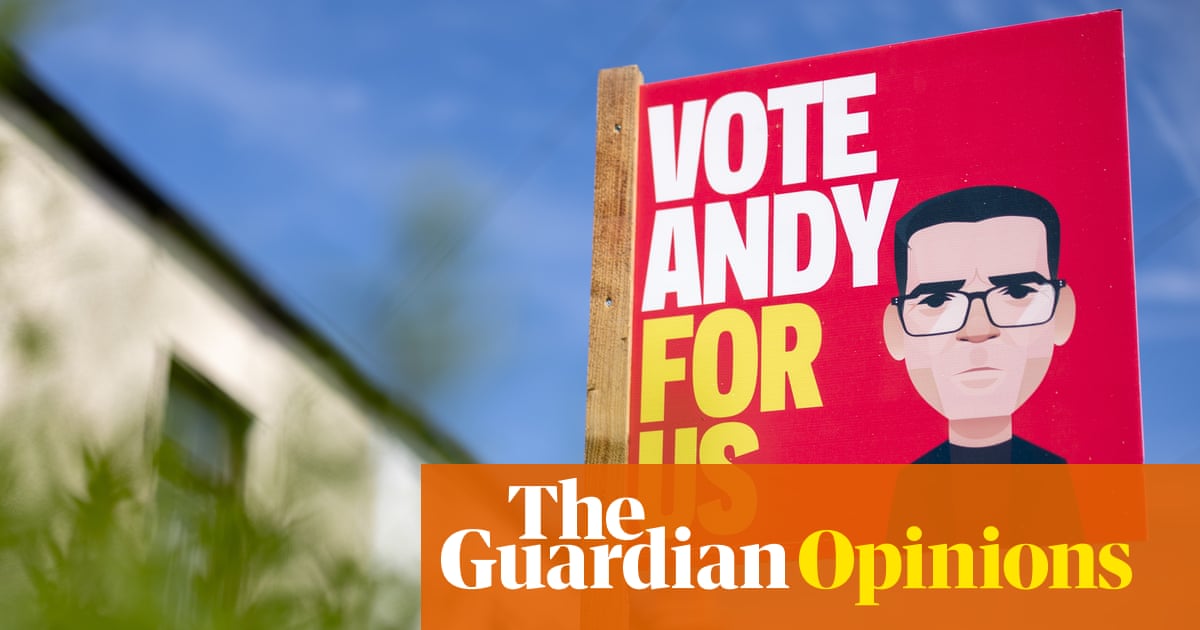
Local elections show a rupture with the past as Labour lost about 1,100 councillors while Reform gained 1,257 seats and 10 councils. The Greens won Hackney and Lewisham, and Reform captured every council ward in Makerfield, where Andy Burnham seeks a return to Parliament. The progressive vote has fragmented and Reform has absorbed much of the anger. A deeper churn is tied to a political economy since the late 1970s, marked by financialisation, privatisation, weakened public services, and transfers of wealth and power away from workers and communities. Big social-democratic projects require public investment at scale, and fiscal rules function as political boundaries on what Labour can claim to afford.
"Very often, I find, science fiction names what politics struggles to. In James SA Corey’s series of novels the Expanse, the violent dystopian streets of Baltimore are given a name for what happens when the old order breaks down faster than people can describe it: the Churn. It is the brutal reorganisation of power, when familiar rules collapse and those who survive are the ones who read the signs early. Britain is in one now. In fact, two churns are happening at once."
"May's local elections were a rupture with the past. Labour lost roughly 1,100 councillors. Reform won 1,257 seats and 10 councils. The Greens won Hackney and Lewisham. In Makerfield, the parliamentary constituency where Andy Burnham is seeking a route back to the Commons, Reform took every council ward. The progressive vote has fragmented and Reform has captured a large part of the anger. The container in which transformative politics could once be argued for and delivered a dependable Labour majority in the Commons is visibly crumbling."
"Burnham named it when he said Britain had been on the wrong course for 40 years. That was a diagnosis of the political economy that has governed Britain since the late 1970s: financialisation, privatisation, hollowed-out public services and the transfer of wealth and power away from workers, communities and the public realm. This is why the events of recent weeks matter. Burnham needs a state that is able to pay for big-ticket, social-democratic projects: council homes, clean energy, public transport, water, skills and resilience."
"Those things cannot be wished into being. They require public investment at scale. That is where Rachel Reeves's fiscal rules become more than an accounting device. In plain English, they are self-imposed limits on borrowing. They are political choices, not laws of nature. But they matter because they set the boundaries of what Labour says it can afford."
Read at www.theguardian.com
Unable to calculate read time
Collection
[
|
...
]