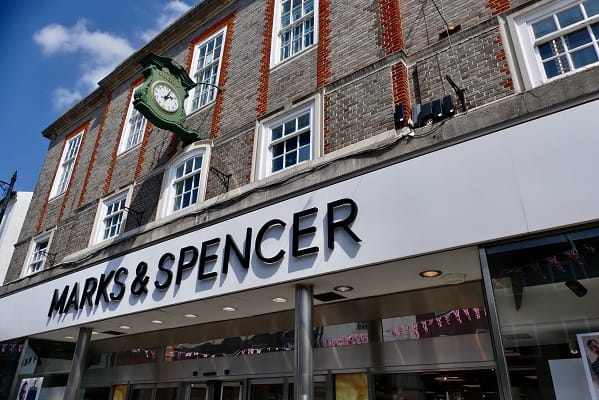
"The head of Marks & Spencer, Stuart Machin, has launched a scathing attack on Chancellor Rachel Reeves over reported plans for supermarket price controls, branding the proposals "completely preposterous" and warning they risk dragging Britain back to "1970s-style" economic intervention. Machin said ministers should stop attempting to manage prices from Whitehall and instead focus on easing the growing burden of taxes and regulation facing retailers."
"The M&S chief executive revealed supermarkets were already absorbing high costs on staple goods, saying the retailer loses money on products including bread and bananas, while milk prices have remained largely unchanged despite rising expenses across the supply chain. "Food retailers are taking a big responsibility to try and minimise passing through prices," Mr Machin said. "So, my advice to the Government is to reduce some of the tax and regulatory burdens and free us up in a very competitive market.""
"Senior industry figures warned the measures could distort competition, undermine investment and ultimately lead to shortages or higher prices elsewhere. Stuart Rose delivered an equally devastating assessment, dismissing the idea as "stuff and nonsense" and warning it would inevitably fail. "This smacks of state control," Lord Rose told BBC Radio 4's Today programme. "It's idiotic, it's dangerous, and it will never work.""
"He compared the proposals to the failed interventionist economic policies of the 1970s under former prime ministers Edward Heath and Harold Wilson. "Fundamentally these things don't work," he said. "We have no better system than a free market economy.""
Stuart Machin criticized reported plans for supermarket price controls, calling them completely preposterous and warning they could return Britain to 1970s-style economic intervention. He urged ministers to stop managing prices from Whitehall and instead reduce tax and regulatory burdens on retailers. He said supermarkets already absorb high costs on staple goods, including losing money on items such as bread and bananas, while milk prices have stayed largely unchanged despite rising supply-chain expenses. He argued that reducing burdens would free retailers to operate in a competitive market. Other retail leaders warned that freezing prices on essential items could distort competition, undermine investment, and contribute to shortages or higher prices elsewhere, with Lord Rose calling the proposals state control that would never work.
#supermarket-price-controls #retail-regulation #tax-burden #competition-policy #1970s-economic-intervention
Read at London Business News | Londonlovesbusiness.com
Unable to calculate read time
Collection
[
|
...
]