"The law protecting wildlife is outdated and, as recommended by the Law Society, is ripe for review. Why, for example, have comprehensive protection for four of our native mustelids and almost nothing for the remaining two? Further, the recent Animal Welfare (Sentience) Act requires the government to consider sentience when framing policy. Against this background, one would have thought a review of outdated wildlife legislation would be a priority."
"The government's strategy includes a proposal for a close season for hares. It is claimed that fewer young hares will be left vulnerable to starvation and predation. All well and good, unless you happen to be a stoat, a weasel, a carrion crow or a mole native species which enjoy almost no protection, meaning that thousands of their offspring will continue to die when their parents are killed during the breeding season."
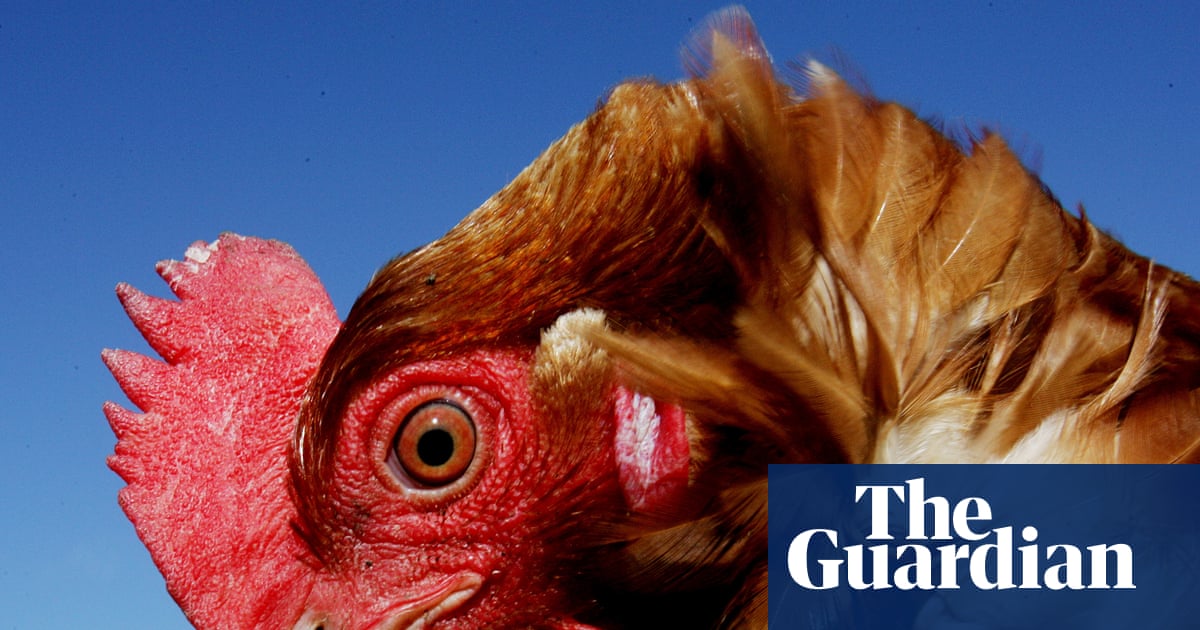
"The animal welfare strategy sets out a promising plan for raising the welfare of millions of animals that suffer unnecessarily (Hen cages and pig farrowing crates to be outlawed in England, 22 December). However, to achieve its ambitious vision of ensuring that as many animals as possible have a good life, the strategy must go further to tackle factory farming. Every year, millions of animals are confined on UK factory farms in abysmal conditions."
The strategy promises significant welfare improvements for kept and farmed animals, including outlawing hen cages and sow farrowing crates. Wildlife protection law remains outdated and inconsistent, with comprehensive safeguards for some native mustelids but almost none for others. The Animal Welfare (Sentience) Act obliges policy to consider sentience, yet wildlife legislation has not been comprehensively reviewed. A proposed close season for hares aims to reduce juvenile vulnerability but may harm predators and leave many offspring dying when parents are killed during breeding. The strategy addresses some factory-farming cruelties but shows little intent to curb industry expansion.
Read at www.theguardian.com
Unable to calculate read time
Collection
[
|
...
]