"Thatcher wanted to reinvigorate capitalism in Britain, while Deng launched a programme of reform and liberalisation that he called socialism with Chinese characteristics. Since then, the economies of Britain and China have been transformed, but in different ways. China was essentially a peasant economy when Deng took control, but it has since become an industrial powerhouse, while Britain has ceased to be a major manufacturing player and instead became a country dominated by services."
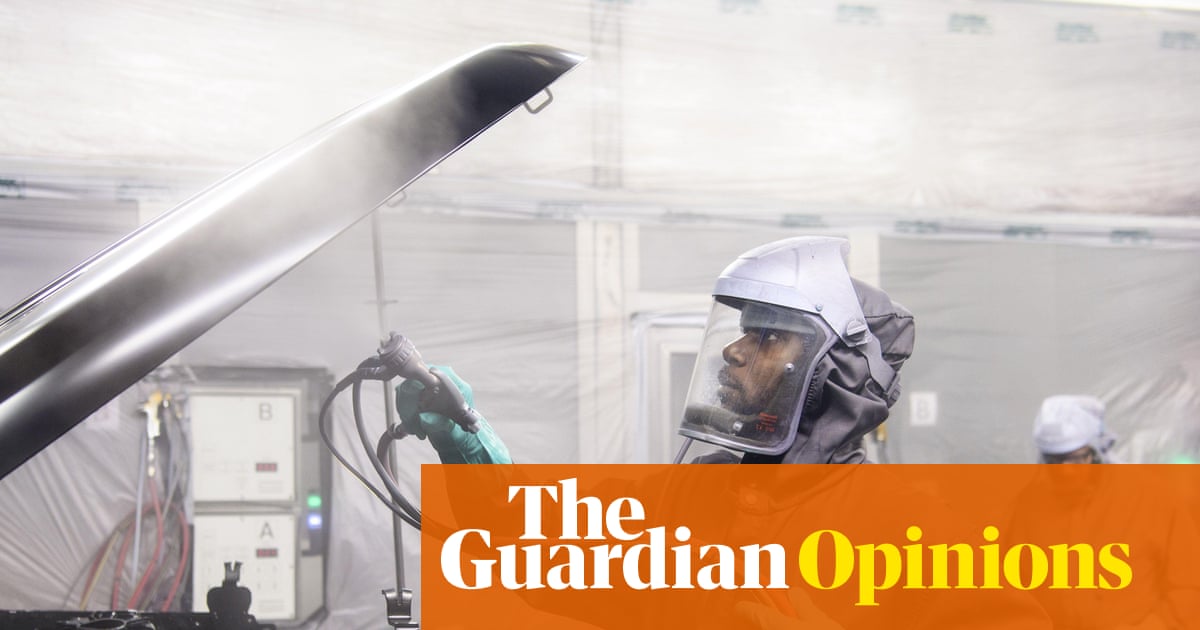
"In the early days of Deng's reforms, there was a concentration on mass-produced goods where China's much lower labour costs gave it a competitive edge. That is no longer the case, with China the dominant producer of electric vehicles and vying with the US in artificial intelligence. To be sure, there are many good things about Britain, just as there are many bad things about China."
Margaret Thatcher and Deng Xiaoping implemented transformative economic agendas at the end of the 1970s. Deng transformed China from a largely peasant economy into an industrial powerhouse focused initially on mass-produced goods that exploited low labour costs. China now leads global manufacturing in areas such as electric vehicles and competes with the US in artificial intelligence. Britain shifted away from manufacturing toward a service-dominated economy centered on finance, with services comprising about 80% of GDP. The service-heavy British model has left manufacturing diminished and productivity gains harder to achieve. Rebuilding Britain’s productive base is necessary to avoid a low-tech, finance-dominated economy.
Read at www.theguardian.com
Unable to calculate read time
Collection
[
|
...
]