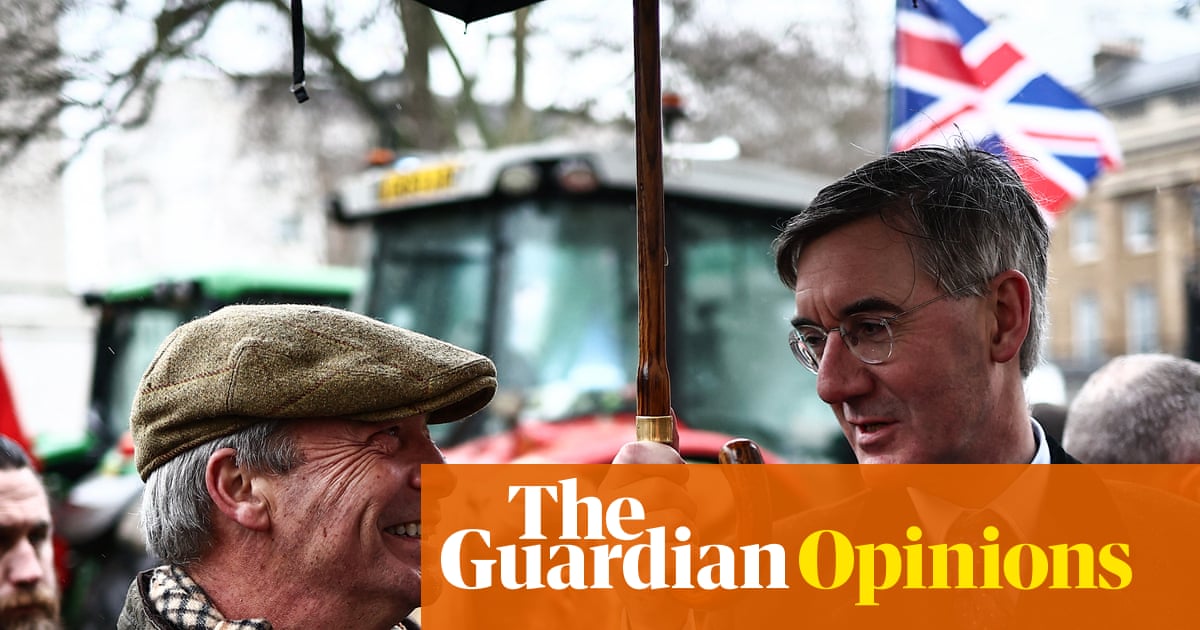
"The right always does unity and solidarity better than the left. While real difference exists between liberals and social conservatives, or between globalisers and nationalists, the right has a stronger sense of self-interest. It is much less likely to allow perfect to be the enemy of good. It is by understanding this that you can see past Nigel Farage's denial of comments that he expects Reform to do an election deal with the Conservatives, as reported by the Financial Times."
"Particularly since this denial is caveated by his statement that he won't work with the Tories as they are. Likewise, reports in the Times that senior Reform figures are appealing to Farage to secure the defection of Robert Jenrick and appoint him as chancellor after an election victory may be rejected by Jenrick. But whatever their individual ambitions, both will surely concede to the emerging consensus: to unite the right, at whatever cost."
"But despite doubling its support, it has seemingly hit a ceiling in the low 30s in the polls. Meanwhile, the Conservatives have stabilised in the mid-teens. With no knockout blow looking likely from either side, there is immense pressure from party funders and the rightwing press, the Daily Mail in particular, which wrote a strident leader column in September calling on all the talents on the Right to come together to sweep away this lamentable excuse for a government."
The right demonstrates stronger unity and willingness to compromise than the left, prioritizing self-interest and practical gains over ideological purity. Nigel Farage denies expecting an election pact with the Conservatives while indicating he would not work with the Tories 'as they are.' Senior Reform figures pursue defections and potential appointments to secure a united right. Reform surged after the general election but appears capped in the low 30s, while Conservatives remain in the mid-teens. Pressure from funders and right-wing media pushes consolidation, and Compass analysis suggests a combined Reform-Conservative vote could have yielded 202 extra seats, prompting merger, alliance, or seat-allocation discussions for 2029.
Read at www.theguardian.com
Unable to calculate read time
Collection
[
|
...
]