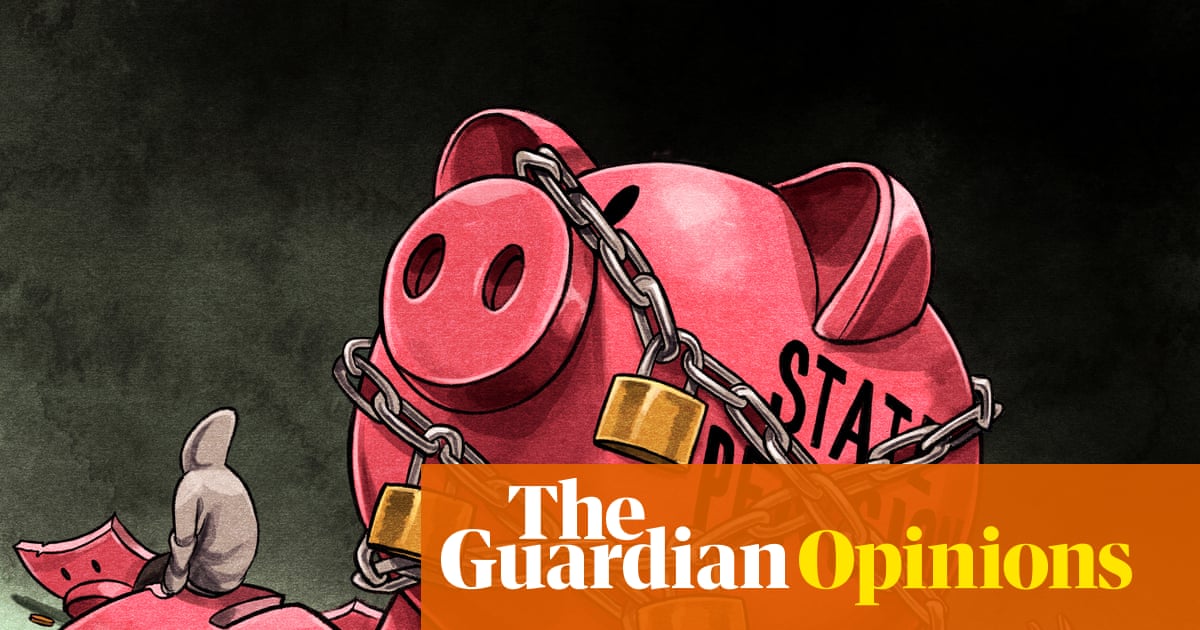
The IMF advised Rachel Reeves to stay on spending limits despite future energy or inflation crises and not to yield to calls for additional government support. The rebuke is milder than the one given to Kwasi Kwarteng in 2022, which surprised even prominent economists and triggered wider shock. Reeves is still expected to control the rising welfare bill and deliver efficiency measures in public services while protecting the most vulnerable. After years of austerity, there is limited room to cut disability or unemployment benefits, so debate shifts toward judging who deserves support. Questions focus on whether welfare claimants have genuine disabilities, whether unemployment reflects opportunity or personal choices, and whether young people are unfit due to schooling, mental health, or lack of jobs. Alan Milburn identified a related “perfect storm” ahead of a Neets report.
"The IMF advised her only to stay the course on spending limits whatever energy or inflation crises are down the line, she shouldn't cave to demands for government support. Basically, when the facts change, do not change your mind the opposite of the economists' classic, but then, haven't we all had enough of classics? It's a milder rebuke than the one delivered to the then chancellor, Kwasi Kwarteng, in 2022, about which the BBC's economics editor, Faisal Islam, admitted even I was taken aback, creating a ripple effect: other, lesser economy-watchers were taken aback at the abackness that had taken the unflappable Islam."
"But it still has a sting in its tail, enjoining Reeves to keep her focus on controlling the rising welfare bill, as well as delivering further efficiency measures in public services, while protecting the most vulnerable. After 16 years of austerity or austerity-lite, there isn't much to trim from disability or unemployment benefits, which is why we see analysis slide instead into unserious questions about who deserves what."
"Is that person claiming welfare suffering from a real disability or an endlessly contestable mental illness? Is the unemployment rate a result of lack of opportunity or lifestyle choices? Where it is discussed in any detail, the problem is always young people. They are unfit for the labour market because of the school curriculum, unfit for any market since they're in the grip of a mental health crisis, and the jobs aren't there anyway."
"this was the perfect storm identified in February by Alan Milburn, ahead of his report on Neets (young people not in education, employment or training) this summer. The more urgently the welfare bill needs to be slashed, the more heated this debate becomes, until we're all rightwing pundits asking each other whet"
Read at www.theguardian.com
Unable to calculate read time
Collection
[
|
...
]