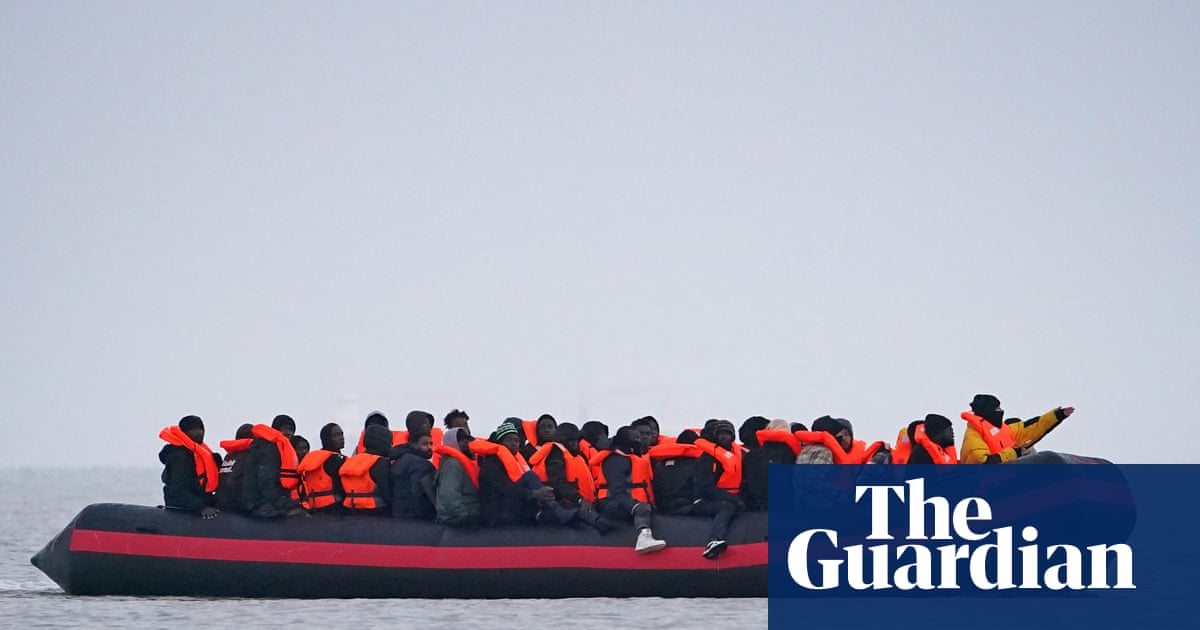
Polling by More in Common shows a large majority of UK voters believe immigration is increasing despite sharp falls in the number entering the UK. Net migration fell by more than two-thirds to a post-pandemic low in the year ending June 2025, yet 67% of respondents thought immigration had increased. Reform voters were especially likely to perceive growth. Home secretary Shabana Mahmood proposed sweeping asylum changes and hardline measures including long naturalisation waits, asset confiscation, curbed family reunions and returns if conditions improve. Public confidence in government border control has fallen sharply, creating a migration credibility gap; small boats remain highly visible to public perception.
"A large majority of UK voters believe immigration is increasing despite sharp falls in the number of people entering the UK, according to exclusive polling shared with the Guardian. Voters also say they have no confidence in the government's ability to control the UK's borders, according to the poll by More in Common. The results will come as a blow to Keir Starmer's administration, which has taken an increasingly hardline stance on immigration in recent months."
"Under new plans those with refugee status could wait 20 years to become British citizens, asylum claimants could have their assets confiscated, family reunions could be curbed, and refugees returned if conditions improved in their home countries. But despite the measures, which some Labour MPs fiercely oppose, confidence in the government on immigration has plummeted. Three-quarters (74%) of voters said they had little or no confidence in the government on the issue, up from 70% in May last year."
"Only 18% of voters had confidence, down three percentage points. The biggest drop in confidence came from those who backed Labour in 2024, where confidence dropped by 17%. The Labour government is facing a growing credibility gap on migration That tells us that numbers alone are not enough, said More in Common's executive director, Luke Tryl. Until that credibility gap closes, Labour's migration migraine will persist. The highly visible issue of small boats remains critical to public perception"
Read at www.theguardian.com
Unable to calculate read time
Collection
[
|
...
]