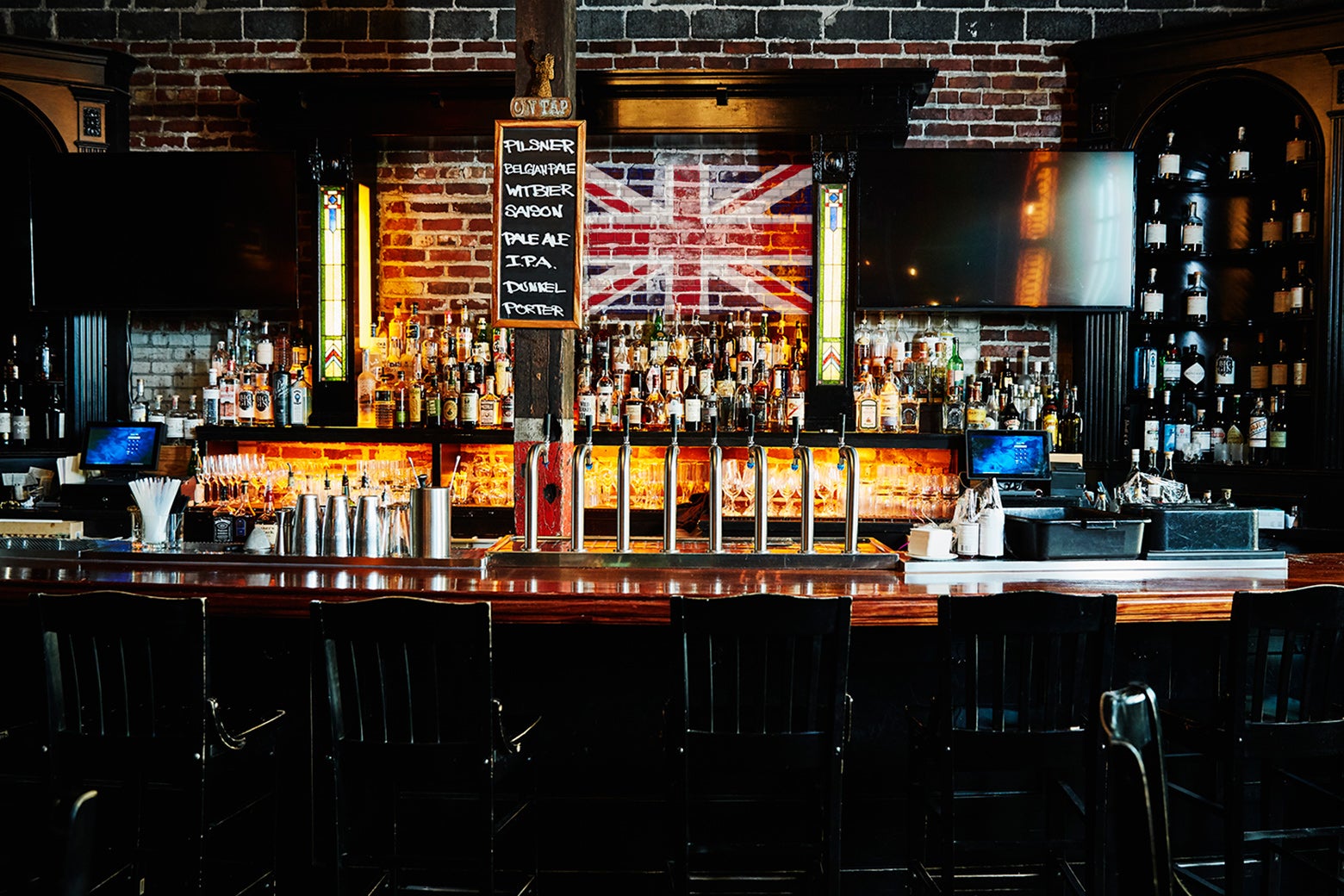
American-style dive bars are appearing as affordable, communal third spaces for twenty- and thirtysomething workers who are cash-tight and space-poor. These bars offer algorithm-free interactions and real-world opportunities to meet new people, including friends and potential partners. The idealized dive bar features cheap, strong drinks and a casual atmosphere that encourages spontaneous camaraderie. Traditional British pubs may not meet the specific social needs of urban young professionals lacking hosting space. Gritty, unremarkable dive bars can function as living-room substitutes and feel full of social possibility for those craving connection.
""For those of us on a limited salary and [with] an unlimited thirst for alcohol and trouble, there is no better place to find it than in a New York City dive bar," writes Wendy Mitchell in the introduction to her 2003 guide to the city's best dives. "For those of us with limited space, your local bar can effectively function as your living room." Reading Mitchell's words, written more than two decades ago, I can't help but think of the twenty- and thirtysomething workers living in my city, London, today."
"What Mitchell is selling sounds appealing. A collective craving for algorithm-free interactions grips the air on nights out, a tangible desire to meet people, whether friends or prospective partners, out in the wild. The dive bar seems like the perfect solution. At least, the idealized version we have in our heads does anyway: of a place where the drinks are cheap, strong, and designed to be consumed with your arm around the guy sitting next to you, whom you only just met but are now calling your best friend through slurred speech."
Read at Slate Magazine
Unable to calculate read time
Collection
[
|
...
]