"As prison sentences have become longer, and as more prisoners are given whole-life tariffs or given minimum sentences of 20, 30 or 40 years, it is harder to persuade them to hold back on their violent instincts. They have nothing to lose. If you are serving a long sentence, you can feel as if you don't have a life ahead of you—your family may well have disowned you, your relationships may have broken down."
"In those circumstances, you have to make your alliances among the people you live with—your fellow inmates—to survive. In those circumstances, making yourself notorious, being well-known by committing a violent act, might help. If you murder a high-profile child murderer, you become well-known."
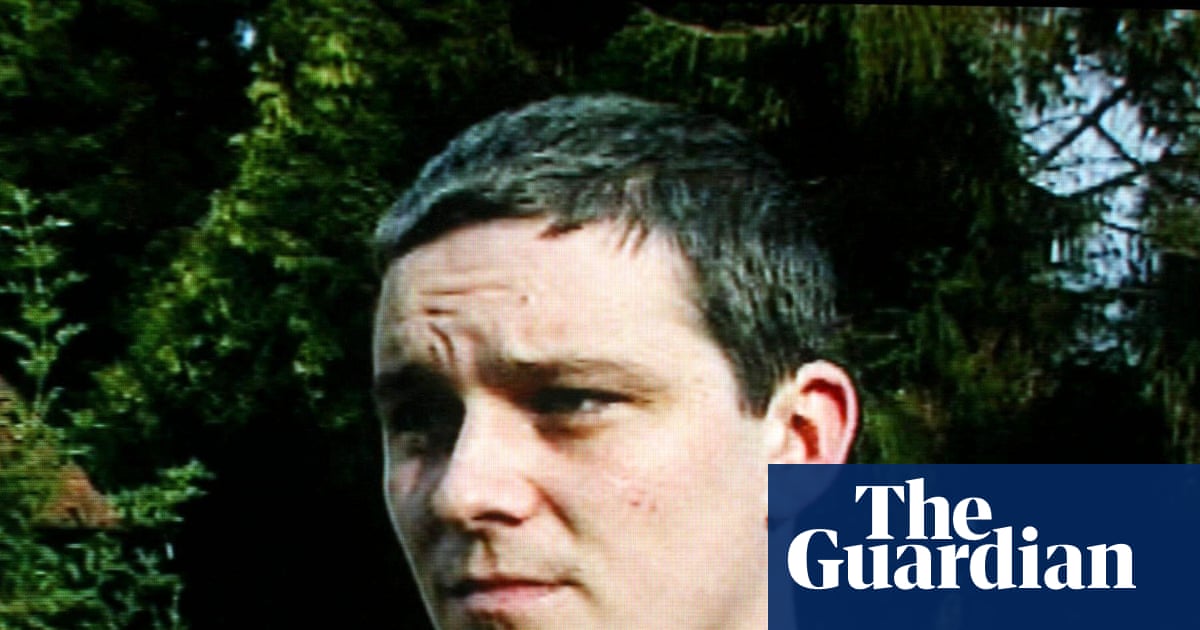
High-profile prisoners, particularly child murderers and paedophiles, face escalating violent attacks from inmates in high-security institutions. The Prison Governors' Association president notes that prisoners serving lengthy or whole-life sentences have minimal incentive to avoid violence, as additional prison time poses no meaningful consequence. These inmates can gain status and notoriety by attacking famous prisoners. Recent deaths include Ian Huntley at HMP Frankland and Ian Watkins and Kyle Bevan at HMP Wakefield. Longer sentences create circumstances where prisoners feel they have no future, leading them to establish alliances through violent acts to survive and gain recognition within the prison community.
#prison-violence #high-security-prisons #prisoner-management #notorious-inmates #criminal-justice-system
Read at www.theguardian.com
Unable to calculate read time
Collection
[
|
...
]