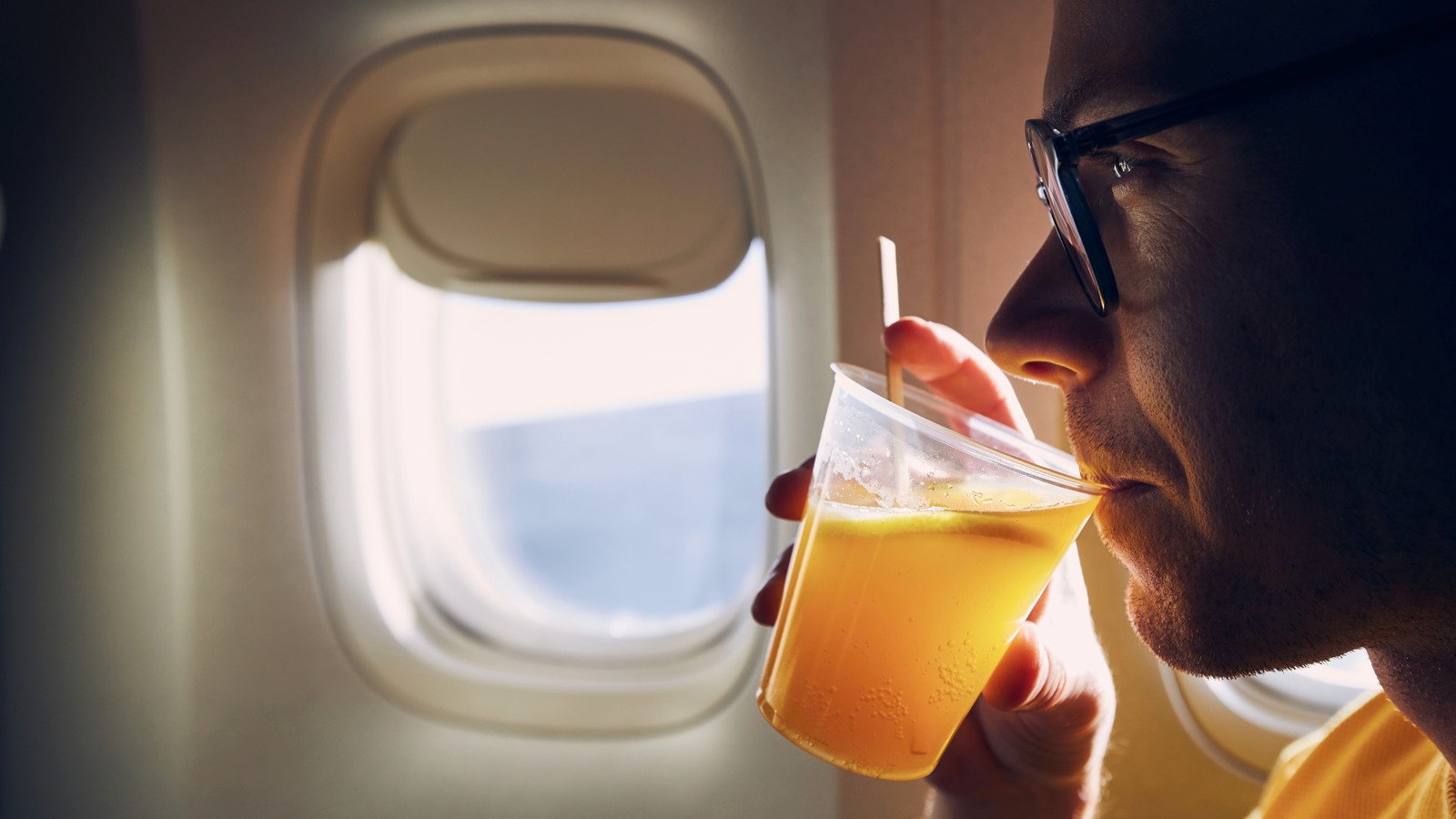
"Humidity in aircraft cabins can drop below 15 percent, which dulls our sense of taste and smell. When that happens, sweet and salty flavors are harder to detect, so drinks may taste different than they normally would."
"[Alcohol] does not technically become stronger at altitude, but the environment can make it feel that way. Lower oxygen levels, dehydration, and fatigue all play a role."
"Alcohol is a diuretic, so it's already likely to cause dehydration. Pair that with being in the air, where you're highly likely to face dehydration, and you're just a few sips away from feeling the effects much more."
Alcohol consumption on airplanes produces noticeably different effects compared to ground level. Low cabin humidity below 15 percent dulls taste and smell, making sweet and salty flavors harder to detect, which alters how alcoholic beverages taste. Additionally, the in-flight environment intensifies alcohol's effects on the body. Lower oxygen levels, dehydration, and fatigue combine to make alcohol feel stronger than it actually is. Since alcohol is a diuretic that causes dehydration, combining it with the already-dehydrating airplane environment amplifies negative effects. These factors explain why in-flight drinks may taste flat and why passengers often feel alcohol's impact more severely when flying.
#in-flight-alcohol-effects #cabin-humidity-and-taste #altitude-and-dehydration #air-travel-physiology
Read at Tasting Table
Unable to calculate read time
Collection
[
|
...
]