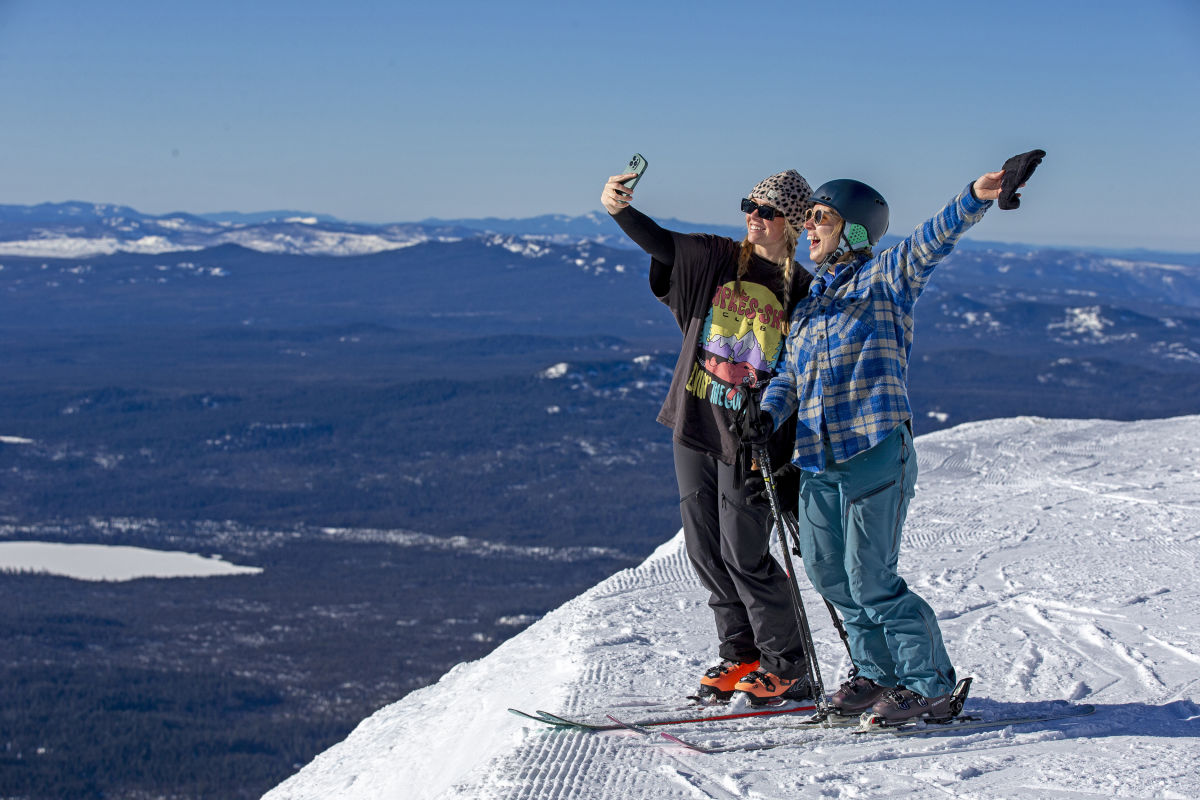
"When legendary mountain men, trappers, and explorers scrambled over Bend's forests, peaks, and rivers in the early 1800s, there were moments, amid the plying of beaver pelts, the mapping, surveying, and general Manifest Destiny-type tromping, when they were simply knocked out by the snow-dusted volcanic peaks, endless stretches of ponderosa pine, and the sagebrush-scented serenity of the high desert. After camping along Tumalo Creek in what is now Bend's beloved Shevlin Park in December 1843, famed US expedition leader John C. Frémont journaled,"
"Following the routes where Warm Springs/Tenino, Wasco, and Paiute tribes hunted, gathered, and traded for millennia, they scouted the timber that would attract loggers and lumber barons, transforming the area a century later. But by the early 1980s, Bend's timber era had run its course. The forests that built the town were logged out, environmental rules tightened, and national markets shifted. As the mills were shutting down, a new wave of pioneers was exploring all the ways to play on the sun-drenched east side of the Cascades, shaping Bend's future as a nature lover's destination."
Early mountain men and explorers were struck by Bend's snow-dusted volcanic peaks, ponderosa pine forests, and high-desert serenity. Indigenous Warm Springs/Tenino, Wasco, and Paiute peoples hunted, gathered, and traded across the region for millennia. Timber extraction and logging later transformed the area and supported Bend's economy through the 20th century. By the early 1980s, forests were logged out, mills closed, and markets shifted. Local pioneers then developed outdoor sports, gear brands, breweries, and startups that redirected the economy toward outdoor recreation and a nature-focused visitor economy.
Read at Portland Monthly
Unable to calculate read time
Collection
[
|
...
]