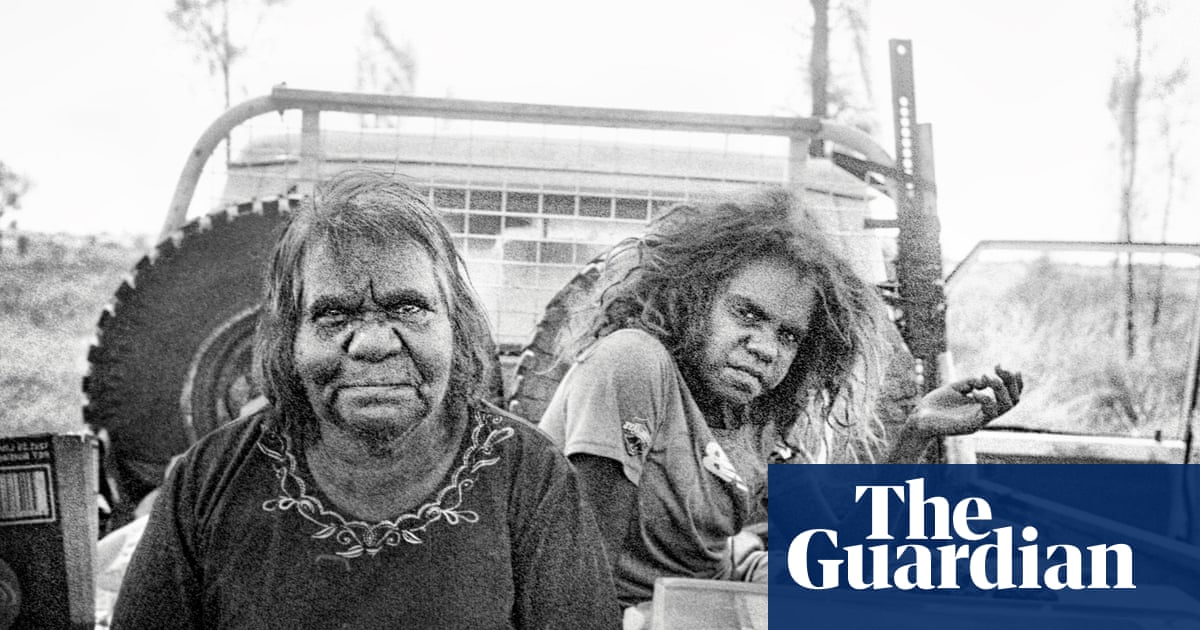
"There are places on this Earth that still belong to themselves, places where very few people have stood. And some of those places are holy. It was the summer of 2018 when we packed my old Hilux and a Troopie and set off from Lajamanu to Mina Mina. It had been Aunty Agnes's idea. Although she'd painted this place for decades, she'd never set foot on Mina Mina, on her grandfather's Country, in the jaws of Lake Mackay, Northern Great Sandy Desert."
"It's too dangerous to attempt Mina Mina. The route is too treacherous no roads, just open desert. Even the hardiest get stranded in deep sand, or their tyres are shredded by sharp acacia. There's no water for hundreds of kilometres, and birds attack the plastic bottles, pecking holes in the side to steal the water. The heat is at the limit of what human beings can endure."
"To survive, you need shade, but the shade moves. Eight of the deadliest snakes on Earth also need shade. One day, Nangala, Agnes would say. We'll dance together at Mina Mina. And one day, for no good reason, I answered her: Let's do this thing. We gathered five lady Kirda and Kurdungurlu (custodians and police-ladies), together with the last male Mina Mina dancer, and my skin-brother Wanta."
A group traveled from Lajamanu to Mina Mina in the summer of 2018 to reach a sacred, remote area of Lake Mackay in the Northern Great Sandy Desert. Aunty Agnes had long painted Mina Mina but had never been there. The route was treacherous: open desert, deep sand, sharp acacia that shredded tyres, and hundreds of kilometres without water. Extreme heat and shifting shade increased danger, and venomous snakes shared the landscape. The party included five Warlpiri female custodians, the last male Mina Mina dancer, a skin-brother, and three non-Indigenous companions, plus a dingo for protection.
Read at www.theguardian.com
Unable to calculate read time
Collection
[
|
...
]