"On the wooded lower slopes of the valley are clusters of tall houses, some plumed with wood smoke. There appears to be a lot of building work going on, some of it to repair the damage caused by the 2023 earthquake. The sound of a concrete mixer comes cutting through the cool mountain air mixed with birdsong and human voices."
"Hussein has been a guide in this beautiful Moroccan valley all his adult life. Most people here work in tourism now, he says, waving a greeting to a muleteer who is passing us. The man is clutching the tail of his animal to steady himself up the steep track. Twenty years ago everyone grew walnuts and subsistence food, Hussein says. Now we've still got walnuts, but we've also planted apple trees as a cash crop. It leaves time for the tourist work."
"I take off my boots and wade into the cold water to grab some discarded plastic bottles. Hussein and two other guides jump in to help. City people, they complain. You might think that in a holy place, they would try to be clean, I observe, which makes one man laugh. He says: My grandfather told me that the shrine used to be an animal shelter and they built the dome over a"
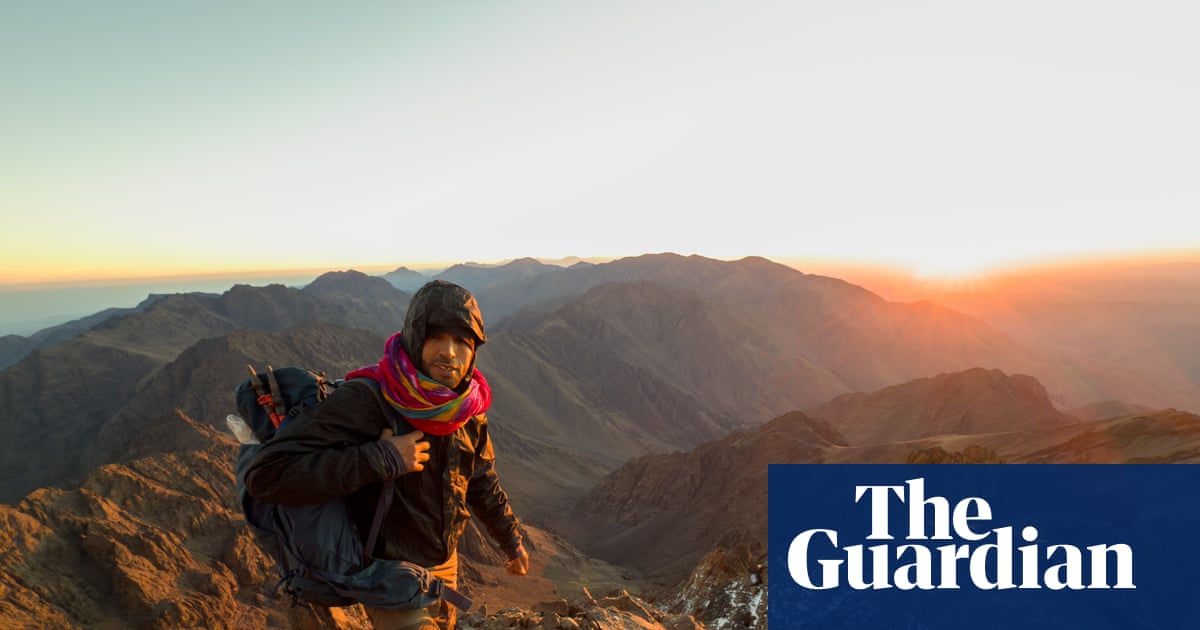
Wooded lower valley slopes host clusters of tall houses and visible rebuilding work following the 2023 earthquake. Construction noise and birdsong mix with mountain air on the route to Toubkal, 4,167 metres high. A lifelong local guide, Hussein, reports a shift from subsistence farming toward tourism, with walnuts retained and apples planted as a cash crop, freeing time for tourist work. The path passes the holy shrine of Sidi Chamharouch, where cafes sell orange juice and the river is nearly pristine but littered with discarded plastic. Guides wade in to collect bottles and recount the shrine's former use as an animal shelter before the dome was built.
Read at www.theguardian.com
Unable to calculate read time
Collection
[
|
...
]