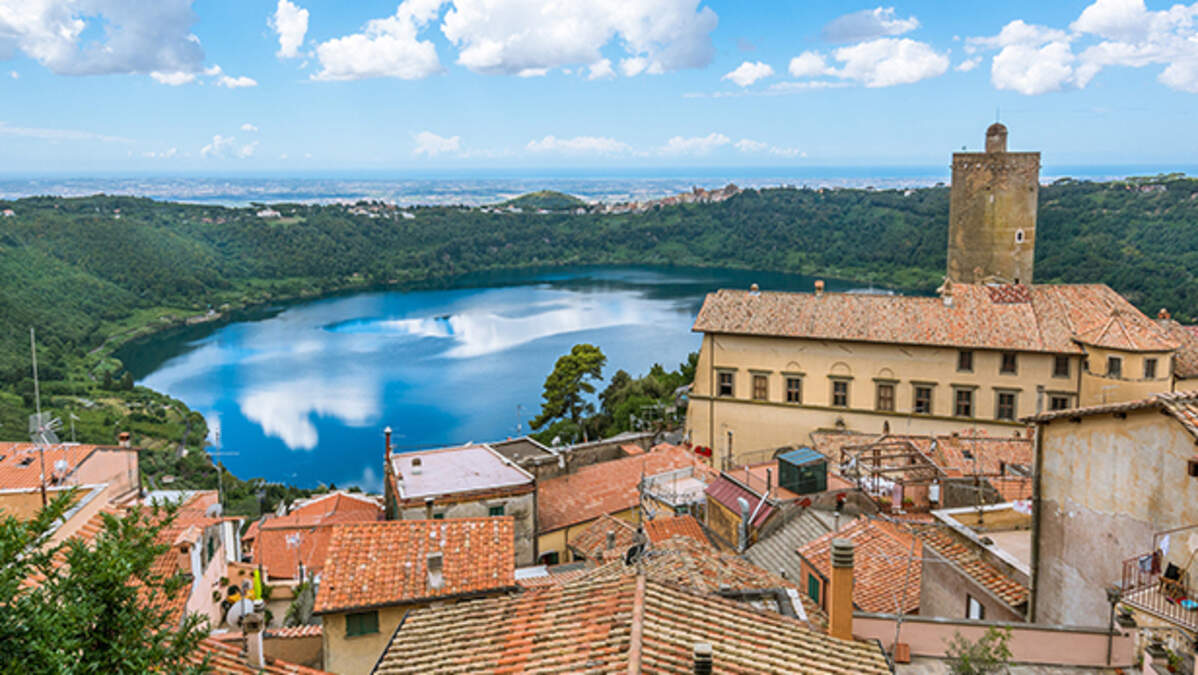
Pilgrimage travel across Europe toward Rome once relied on footpaths through forests, vineyards, mountains, and small stone villages. Centuries later, those routes are being revived by travelers seeking a slower, richer alternative to fast city breaks. Five walking routes eventually lead to Rome: the Via Francigena, the Way of Saint Francis, the Way of Saint Benedict, the Romea Strata, and the Via Romea Germanica. The Via Francigena is the best known, recognized as a Cultural Route of the Council of Europe since 1994, following Archbishop Sigeric of Canterbury’s documented journey from Rome in 990 AD. The Italian section runs about 1,000 kilometers from the Great St Bernard Pass to St Peter’s Basilica, with notable scenery in Lazio, including Lake Bolsena, Montefiascone, Viterbo’s medieval quarter, Sutri, and La Storta before arrival at St Peter’s Basilica.
"Some holidays are about ticking landmarks off a list. Others are about slowing down enough to actually remember where you've been. Long before Google Maps, pilgrims, monks and merchants crossed Europe on foot towards Rome, following paths through forests, vineyards, mountains and tiny stone villages. Centuries later, those same routes are enjoying a revival among travellers looking for something slower, richer and a little less frantic than the average city break."
"There are five extraordinary walking routes that all eventually lead to Rome: the Via Francigena, the Way of Saint Francis, the Way of Saint Benedict, the Romea Strata and the Via Romea Germanica. The Via Francigena is the most famous of Italy's pilgrimage routes. Recognised as a Cultural Route of the Council of Europe since 1994, it follows the footsteps of Archbishop Sigeric of Canterbury, who documented his journey home from Rome way back in 990 AD."
"Today, the Italian section stretches for around 1,000 kilometres from the Great St Bernard Pass all the way to St Peter's Basilica, but many walkers say the real magic happens in Lazio. Here, the route winds through the Tuscia countryside of Viterbo, passing volcanic lakes, medieval towns and cinematic scenery. Highlights include Lake Bolsena, Montefiascone's Fortress of the Popes, Viterbo's beautiful medieval quarter of San Pellegrino and Sutri, where a Roman amphitheatre is carved straight into the rock."
"Following Saint Francis For something quieter and more reflective, the Way of Saint Francis has a completely different energy. This route retraces the life of St Francis of Assisi, crossing Lazio over 13 stages and around 300 kilometres through the Sabina countryside and the peaceful Sacred Valley of Rieti. With olive groves, wooded hills,"
Read at Irish Independent
Unable to calculate read time
Collection
[
|
...
]