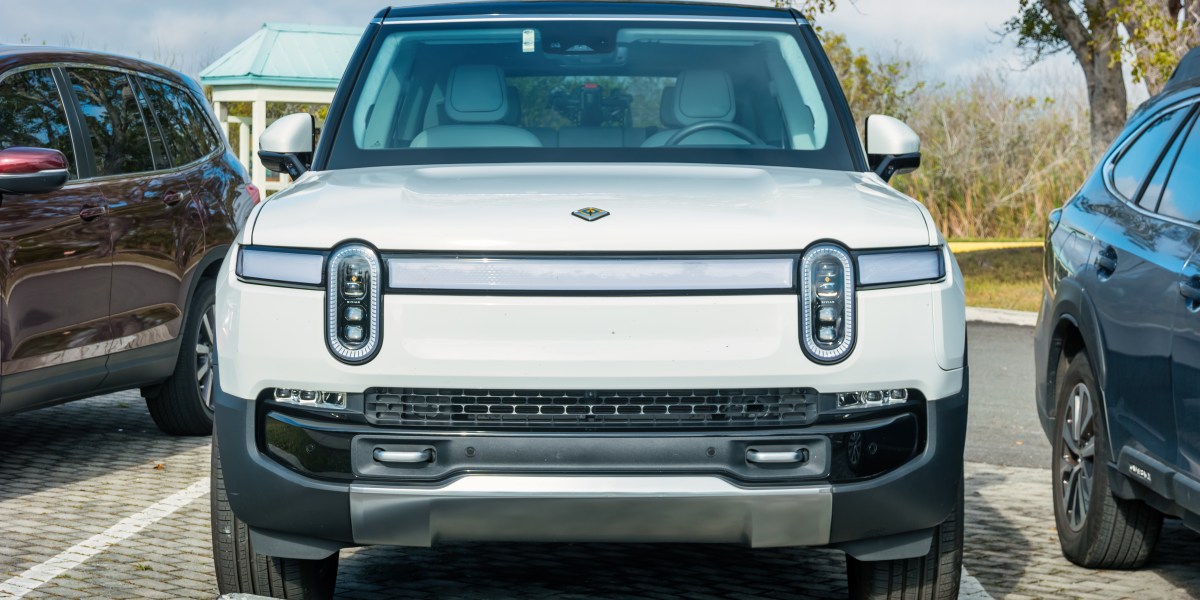
Uber is reversing its previous strategy by directly purchasing and deploying its own autonomous vehicles after exiting the self-driving market in 2018 following a fatal crash. Rather than continuing its model of integrating other companies' robotaxi fleets through partnerships with Waymo and WeRide, Uber has announced major deals with Lucid Motors and Rivian to acquire autonomous vehicles. The Rivian agreement includes purchasing up to 10,000 R2-based robotaxis with options to scale to 50,000, plus a $300 million investment with potential additional funding. Deployment is planned for San Francisco and Miami in 2028, expanding to 25 cities by 2031. These deal structures appear designed to limit Uber's financial risk while securing exclusive access to autonomous vehicle technology.
"First, there was the deal with Lucid Motors in 2025 to purchase and deploy up to 20,000 vehicles equipped with Nuro's autonomy stack. On Thursday, Uber announced a similar deal with Rivian for its yet‑to‑be‑built R2 platform. The company is planning to purchase 10,000 fully autonomous R2‑based robotaxis if Rivian meets development and validation milestones, with an option to scale to 50,000."
"It's a significant reversal from a few years ago, when Uber sold its self‑driving unit, ATG, after a fatal crash in 2018 and years of heavy losses. Since then, Uber has gone a different path-inking deals with nearly every major robotaxi player in the market, from Waymo to WeRide."
"Uber is also making a $300 million investment in the company as part of the deal, and potentially another $950 million more should Rivian meet certain, undisclosed development requirements. Rivian has also agreed not to sell fully autonomous vehicles to Uber's direct ride‑hailing rivals for a specified exclusivity period."
#autonomous-vehicles #robotaxi-deployment #uber-strategy #vehicle-partnerships #self-driving-technology
Read at Fortune
Unable to calculate read time
Collection
[
|
...
]