The series frames World War II as the largest event in human history, affecting every part of the globe and changing everything for all people. Tom Hanks serves as narrator and master of ceremonies, appearing at the beginning and end of each of 20 episodes, with recurring montages that emphasize the war’s massive impact. The show invites comparison with earlier large-scale documentaries, but it compresses major events such as Hitler’s rise, the 1940 Ardennes campaign, and the Dunkirk evacuation. The epic feel is weakened by the limits of summarizing events that have extensive existing literature and by the 2020s documentary approach, which relies heavily on talking heads to replace lost first-hand witness accounts.
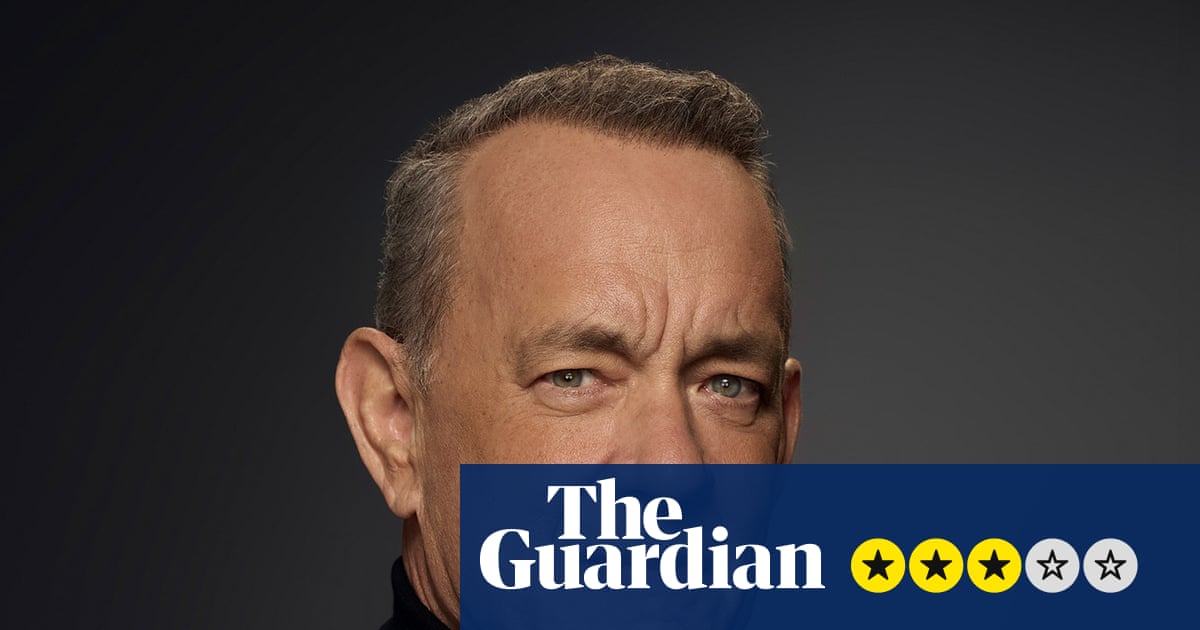
"The second world war, says he, eyeballing us in medium closeup with calm paternal authority, is the largest event in human history. No part of the globe is unaffected. The second world war changed everything. For all of us. Hanks is the narrator and is at the beginning and end of each of the 20 instalments, the on-screen master of ceremonies for a series that is up there with the largest documentaries in human history."
"After Hanks's introductory spiel, there is a montage that recurs at the start of subsequent episodes, with contributors underlining how massive the war's impact was. So why does the series not feel epic? Why does it struggle to elevate and move us with the awesome sweep of history? Perhaps it's partly because Hanks and co are right about the sheer scale of the subject, to the point that 20 episodes aren't enough."
"In the triple bill that kicks the show off, events that zip by slightly too quickly include Hitler's rise to power, the Germans' unexpected use of the Ardennes forest as a route to France in 1940, and the Dunkirk evacuation. Every aspect has had books the size of breeze blocks written about it; the TV version must summarise. But it's more that World War II with Tom Hanks has been made in the 2020s, not the 1970s, with all that entails."
"The World at War was built on a stunning array of interviews with first-hand witnesses, many of whom were speaking for the first time and imparting details that viewers could not already have known. Those people are dead now. A new documentary has to replace primary sources with something, and this one succumbs to the scourge of 21st-century factual programming, the talking head. In between the archive clips with their s"
#world-war-ii #documentary-filmmaking #television-narration #historical-storytelling #archival-footage
Read at www.theguardian.com
Unable to calculate read time
Collection
[
|
...
]