"Her parents have just cut her off financially after a couple of years of living in New York post-college, and she spends a lot of the rest of the show getting and losing various jobs: a recurring stint at a coffee shop, a gig as a commerce writer at , a teaching spell that creates incredibly inappropriate relationships with both students and fellow staff. But her ultimate aspiration and north star is to be a writer (and not a journalist)."
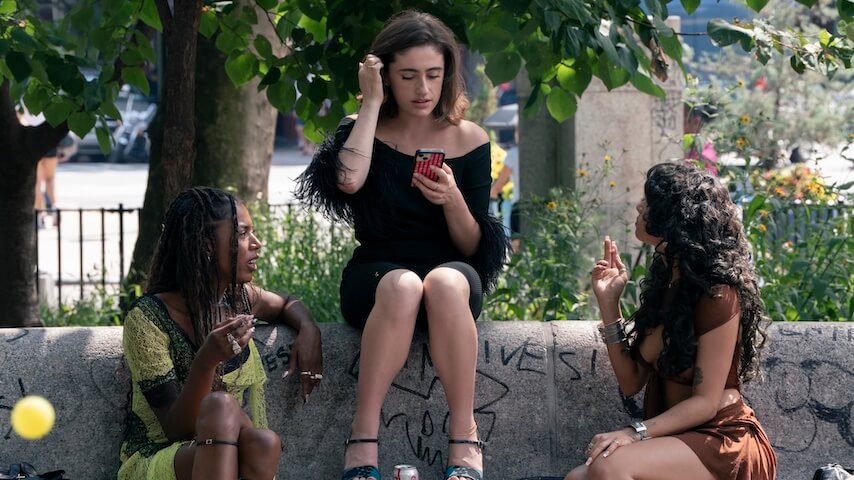
"They're both HBO series that were created by-and centered around-women in their twenties; they're both about a "group of codependent friends" ; they even both have cocaine storylines. And the character makeup of the series is pretty similar, too: centers on Maia (Sennott), her two girl friends (Odessa A'zion's Tallulah, True Whitaker's Alani), one gay guy pal (Jordan Firstman's Charlie), and boyfriend (Josh Hutcherson's Dylan). Like , the twentysomethings in are narcissistic and know much less than they think."
Hannah perceives herself as a possible voice of a generation while navigating financial cutoff and unstable post-college life in New York. She moves through transient jobs — coffee shop shifts, a commerce-writing gig, and a problematic teaching role — but consistently wants to become a writer rather than a journalist. Her friends Marnie, Elijah, and Adam pursue artistic paths, including singing and Broadway. The original series captured a version of Brooklyn life for a younger cohort and regained popularity. A recent HBO series led by Rachel Sennott has prompted comparisons due to similar creator demographics, ensemble dynamics, and plot echoes.
Read at Jezebel
Unable to calculate read time
Collection
[
|
...
]