"In 2012, Sharp brought the first 8K TV prototype to the CES trade show in Las Vegas. In 2015, the first 8K TVs started selling in Japan for 16 million yen (about $133,034 at the time), and in 2018, Samsung released the first 8K TVs in the US, starting at a more reasonable $3,500. By 2016, the Video Electronics Standards Association (VESA) had a specification for supporting 8K (Display Port1.4), and the HDMI Forum followed suit (with HDMI 2.1)."
"LG Display is no longer making 8K LCD or OLED panels, FlatpanelsHD reported today. Earlier this month, an LG Display representative told FlatpanelsHD that the panel supplier is "taking a comprehensive view of current display market trends and the trends within the 8K content ecosystem." "As our technical readiness is already complete, LG Display is fully prepared to respond immediately whenever the market and customers determine that the timing is right," LG Display's representative said."
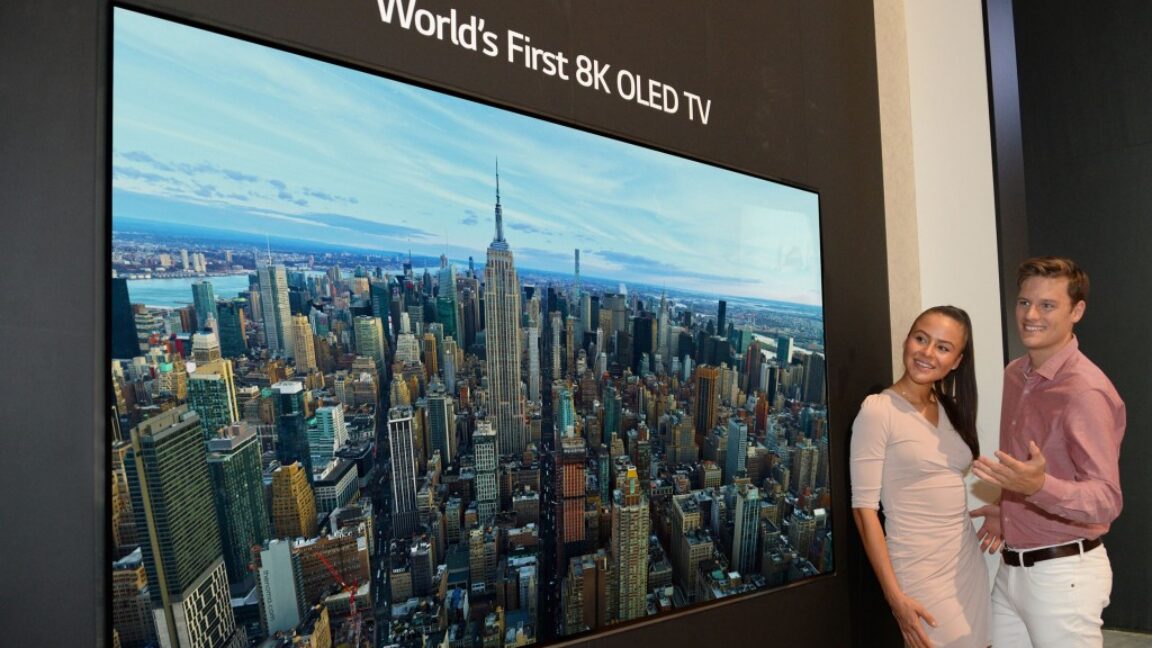
"LG Electronics was the first and only company to sell 8K OLED TVs, starting with the 88-inch Z9 in 2019. In 2022, it lowered the price-of-entry for an 8K OLED TV by $7,000 by charging $13,000 for a 76.7-inch TV. FlatpanelsHD cited anonymous sources who said that LG Electronics would no longer restock the 2024 QNED99T, which is the last LCD 8K TV that it released. LG's 8K abandonment follows other brands distancing themselves from 8K."
8K television development began in the 2010s with prototypes, high-priced early sales, and industry standards (DisplayPort 1.4, HDMI 2.1). Manufacturers released expensive 8K models, including LG's 8K OLED and Samsung's early US models, but consumer demand and content availability remained limited. Panel makers and TV brands are now abandoning or shrinking 8K product lines; LG Display stopped making 8K panels and LG Electronics is not restocking certain models. Other brands like TCL and Sony have ceased new 8K releases citing low demand. High cost, scarce native 8K content, and marginal practical benefits undermined 8K adoption.
Read at Ars Technica
Unable to calculate read time
Collection
[
|
...
]