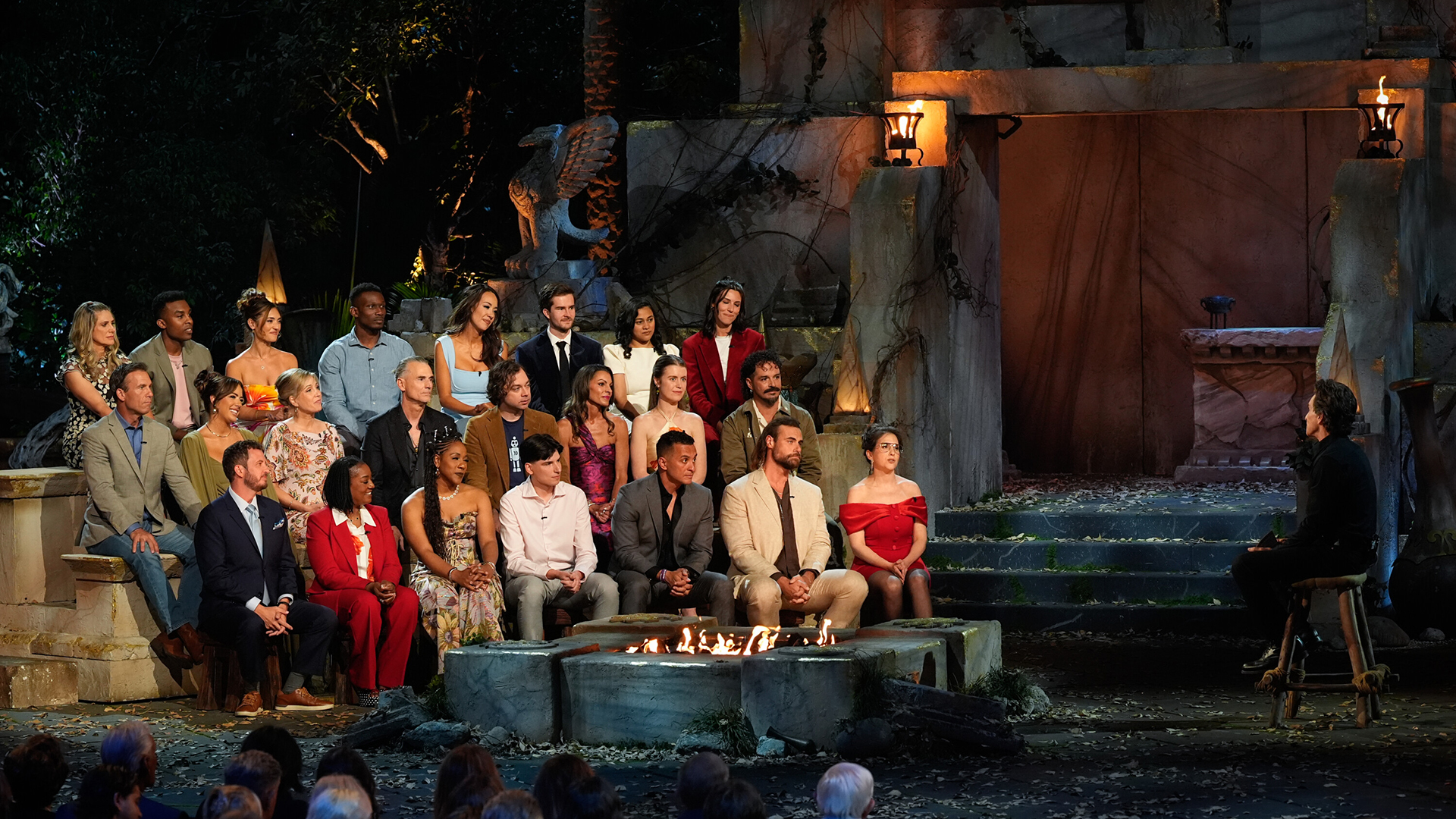
Survivor has become a long-running competition that reliably turns a month of play into a similar-feeling set of television episodes. The show’s distinctive appeal often comes from moments when the established format and repetition are disrupted. These disruptions usually come from a small number of players seeking more than a slow march toward a predictable finish. Human decisions and bold moves create memorable outcomes, such as major blindsides, idol plays, and coordinated operations. The show’s value proposition has grown unclear in recent years, with tension between producing “good TV” and maintaining “good competition.” In its 50th season, this internal conflict feels especially pronounced.
"After 50 seasons, is both a cultural touchstone and a lumbering giant exhaustedly searching for its final resting place. The compellingly nasty, scrappy, oftentimes chaotic "social experiment" in 2000 on the island of Borneo has become a machine that turns a month of competition into a baker's dozen of television episodes that all feel and function more or less the same. The magic of , which is strange but distinctive and real, occurs when that format and that repetition gets upended."
"This is often the result of a handful of players who want more from their experience on the show than just a slow march to a predictable ending; the human element, not any kind of clever production trickery, is what makes different. That magic is why I and other Survivor sickos can name moments like the Black Widow Brigade's kill of Erik on Micronesia, or Parvati Shallow's double-idol play on Heroes vs. Villains, or Jesse Lopez blindsiding his closest ally on season 43, or Operation Italy on 47."
"There are many others like this-few TV shows offer quite as rich a Remembering Some Guys experience-but what these moments have in common is that they amount to an escape from the mold that Survivor, due to the realities of reality TV but also because of choices made by its producers, has imposed on itself and its players. This is what drives a lot of entertainment, of course. Moments of random chance or real transcendence during the monotony of a 162-game baseball season, for example, or a 24-episode season of television."
"Survivor isn't quite a sport and it's definitely not a scripted television show, but it has seemed increasingly confused about what its value proposition is in recent years, and felt especially at war with itself in its 50th season. Over the last 10 or so seasons, the show seems to have pit "good TV" and "good competition" against each other without ever quite settling on the balance that made Survivor good in the first place."
Read at Defector
Unable to calculate read time
Collection
[
|
...
]