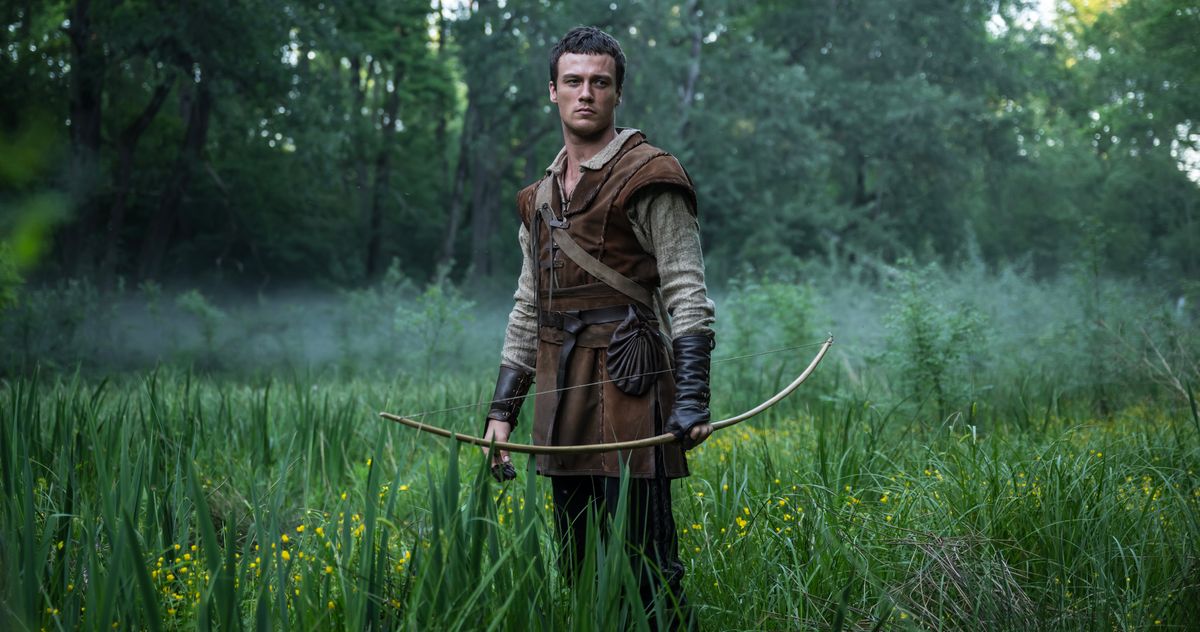
"This latest adaptation of the legendary story of the thief who robbed from the rich for the express purpose of wealth redistribution feels intended to undermine the idea that a folk hero would rise against the one percent, not out of personal motivation but because it's the righteous thing to do. In Robin Hood, co-created by Jonathan English and John Glenn, everything about the titular hero, from his name to his ideology, is impressed upon him by others;"
"In our age of politicians craving the power of kings, an ever-widening gap between social classes, and history's first possible trillionaire making his money off anti-union labor, Robin Hood is a natural fit, an entity whose moral judgment aligns perfectly with our widespread affordability crisis. Pop culture can only do so much, but it can also do a lot; a series that was incisive in its understanding the Robin Hood legend might have provided some catharsis."
The MGM+ adaptation portrays Robin Hood as lacking an independent moral framework, with his name, tactics, and ideology imposed by other characters. A convoluted origin arc strips the outlaw of organic motive, making his rebellion seem engineered rather than righteous. In episode six, the archer modifies his campaign to support Queen Eleanor, signaling a shift toward monarchist sympathies and a compromise with ruling classes. That trajectory reframes wealth redistribution as negotiable political theater rather than principled resistance. The adaptation bypasses the character's traditional appeal as a champion against systemic inequality, missing an opportunity to connect the legend to contemporary affordability and labor crises.
Read at Vulture
Unable to calculate read time
Collection
[
|
...
]