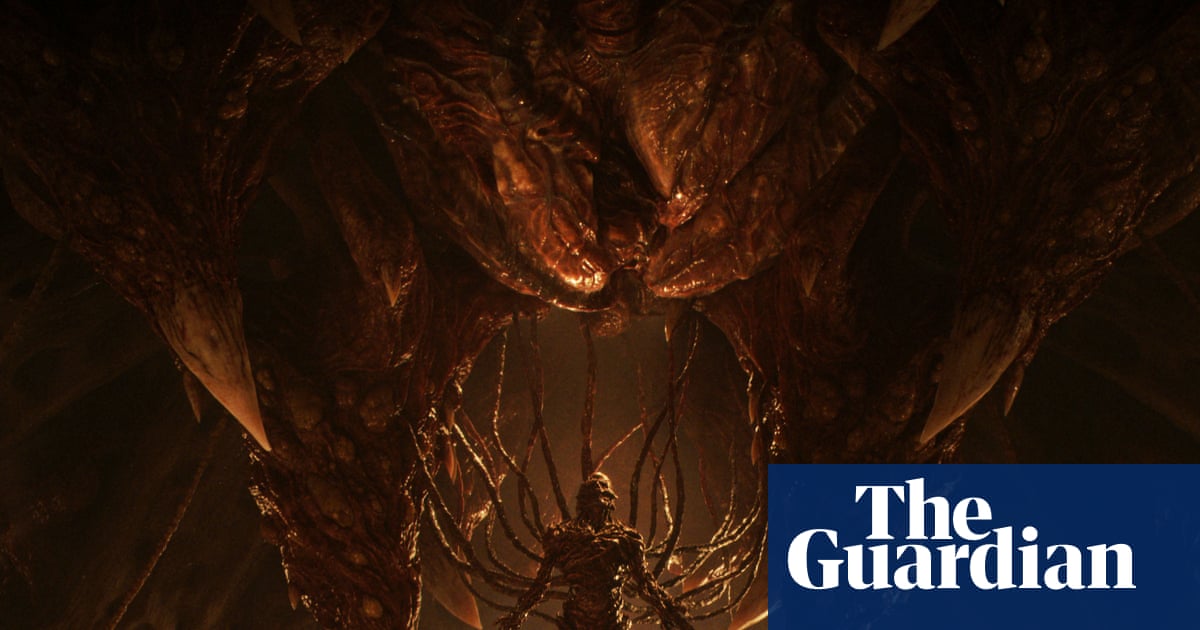
"We've all had a few days to sit with the Stranger Things finale now, and reaction has been mixed. For every hardcore fan who found themselves in floods of tears by the end, there was a disgruntled TikToker aggressively listing all the plot holes the episode left unfilled in its race to the finish line. In other words, how you felt about Stranger Things as a whole probably determined how you felt about the way it ended."
"There was no tonal pivot; no bleak, Dinosaurs-style parable; no it was all a dream St Elsewhere-style cop-out; no Blake's 7-style final bloodbath. Stranger Things died as it lived full of spectacle and sentiment (and a chronically unwieldy mythology, and way too many characters). By achieving this, Stranger Things managed to bat it straight down the middle. Will this final episode become as beloved as Breaking Bad, or as widely discussed as The Sopranos? Almost certainly not."
Reactions to the Stranger Things finale were mixed: some viewers were moved to tears while others criticized unresolved plot holes. The finale maintained the series' established tone of spectacle and sentiment rather than adopting a bleak parable, dream cop-out, or mass bloodbath. The episode pared back the previous season's narrative sprawl, concentrating action and delivering cleaner storytelling. Characters united against a single monstrous threat and each had moments to shine, notably Winona Ryder's decisive action. The ending avoided the major pitfalls of other controversial finales, though the series retained an unwieldy mythology and an excess of characters.
Read at www.theguardian.com
Unable to calculate read time
Collection
[
|
...
]