"Mum and dad bought a Vidor TV for the coronation in 1953. We used to watch the Television Newsreel on Saturday evening I was fascinated by the start, which was the BBC revolving round the Alexandra TV tower. I think this (together with listening to the shipping forecast on the radio) is what sparked my lifelong obsession with radio! It is still with me 70+ years later. Phil Holliday, 78, New Zealand"
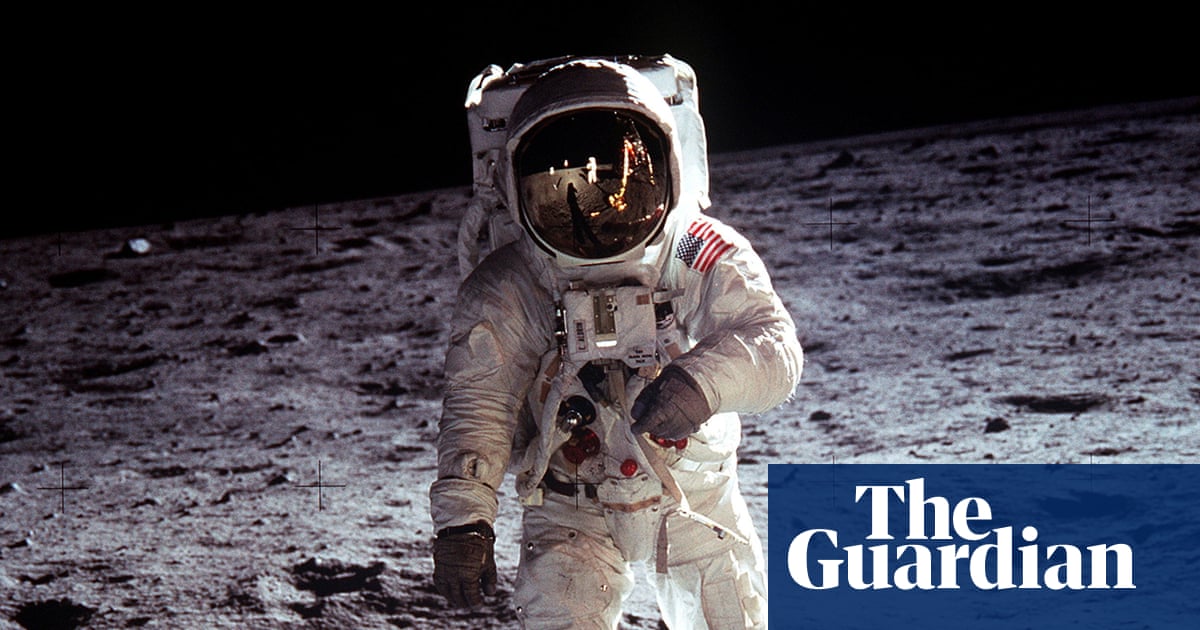
"He said: Sorry to wake you up, son, but you must come and see this. You'll never see anything like this again. And so we sat and watched it on our old stuttering black-and-white television, and although I wasn't aware of the immense significance of the moment, I became caught up in my father's fascination and excitement. I'll never forget that night. Laurie, West Midlands"
"David Bowie's performance of Starman created a wave of enthusiasm for some, and scandal for others. This was the character Ziggy Stardust who was to forever change the face of popular music, not just in the UK. He was mesmerising and I was enthralled. He had a twinkle in his eye that told me he knew something that I did not. The UK was still very homophobic in the early 70s and Bowie suggestively putting his arm around guitarist Mick Ronson had some people spluttering with indignation."
Television reaches its 100th anniversary with a century of landmark broadcasts that shaped public life and personal memory. Early mass broadcasts such as the 1953 coronation introduced many households to television and created new communal rituals. The live 1969 Apollo 11 moon landing united families around stuttering black-and-white sets and conveyed global significance in real time. Performances like David Bowie's 1972 Top of the Pops challenged social norms and influenced popular culture. Personal recollections emphasize technological novelty, shared viewing experiences, emotional intensity, and lasting nostalgia. These moments demonstrate television's power to create collective memory and cultural change.
Read at www.theguardian.com
Unable to calculate read time
Collection
[
|
...
]