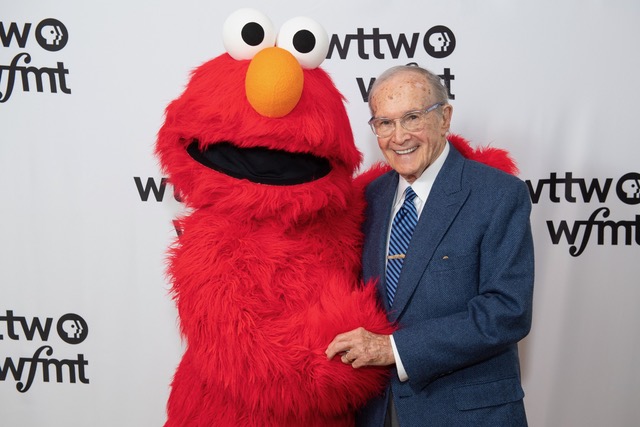
Newton Minow served as FCC Chair at age 35 after appointment by President Kennedy. He delivered the "vast wasteland" critique to urge broadcasters to serve the public interest. He helped establish public broadcasting by signing the original license for WETA, launched the first telecommunications satellite, and required UHF access on new television sets. He championed closed captioning and secured original funding for "Sesame Street." He mentored dozens of young people, including a summer intern named Barack Obama. He attended to people personally, asking cab drivers their life stories and helping friends' family members with college and immigration issues.
"When he served as the Chair of the Federal Communications Commission, appointed by President Kennedy, he revolutionized television by expanding viewer choice through three major pieces of legislation: creating PBS, launching the first telecommunications satellite, and requiring all new television sets to provide access to channels on the Ultra-high Frequency band. Later, he championed closed captioning and helped secure the original funding for "Sesame Street.""
"He mentored dozens of young people, including a summer intern named Barack Obama. He never rode in a cab without asking for the driver's entire life story, and when his daughters visited his office, he made sure they met his friends, the elevator operator, whose daughter he helped get into college, and the mail delivery guy whose wife he helped with her immigration problems."
"In Washington, he gave his famous "vast wasteland" speech to the National Association of Broadcasters, telling them that while "when television is good, nothing is better," he expected them to do more to uphold their statutory obligation to serve "the public interest, convenience, and necessity." Then he went back to the FCC office, where he met with Elizabeth Campbell to sign the original license for WETA, the first educational television station in the nation's capital."
Read at Roger Ebert
Unable to calculate read time
Collection
[
|
...
]