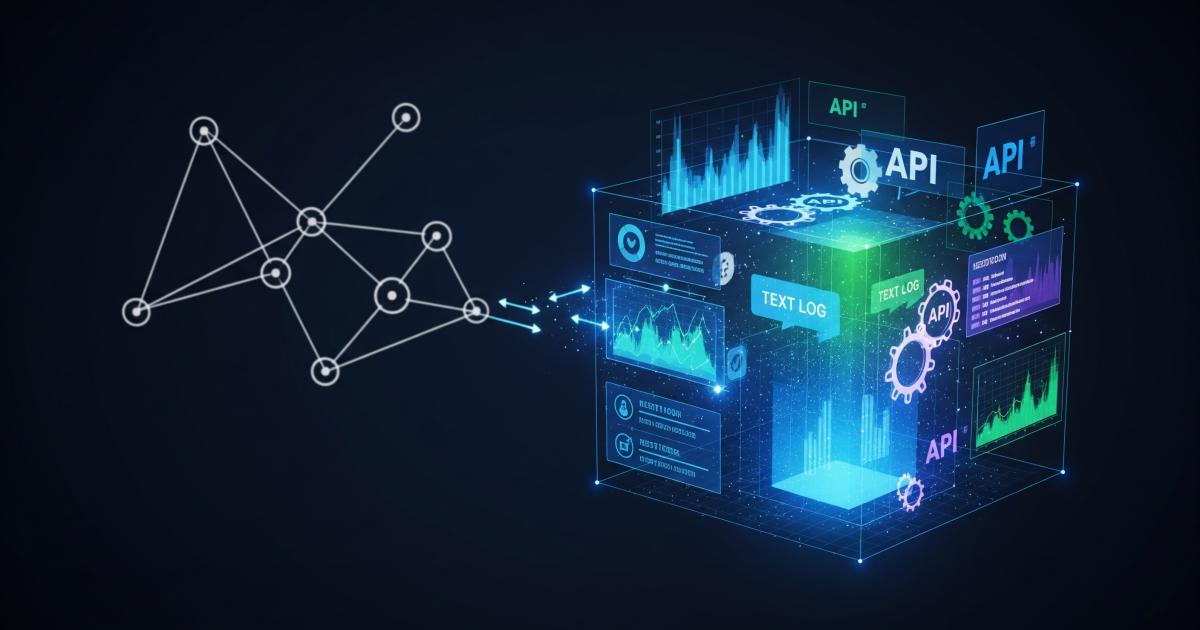
"In Part 1, we established that our traditional network monitoring tools are failing, collapsing under the weight of high-speed traffic and the complexities of the cloud. But this technical decline is only half the story. An even more powerful force is compelling us to change: the market itself. The very vendors who build our infrastructure are fundamentally altering how we access its data, pushing us away from old protocols and towards a new, API-driven world."
"The turning point was undeniable at industry events like Interop Tokyo 2025. One after another, major network vendors like Cisco and Juniper took the stage, not to announce new MIBs for SNMP, but to showcase their cloud-based management platforms. The message was clear: the future of network management is not direct device polling, but interaction with a centralized, vendor-hosted cloud platform."
"For engineers and third-party tools, the primary method of data collection is no longer SNMP; it is the API. To get performance metrics from a Cisco Meraki device, you query the Meraki Cloud API. To understand the state of a Juniper Mist access point, you query the Mist AI API."
Traditional network monitoring tools are failing under high-speed traffic and cloud complexity. Market dynamics are accelerating change as infrastructure vendors alter data access, favoring cloud-hosted management platforms over direct device polling. This shift replaces legacy protocols like SNMP with vendor APIs as the primary telemetry mechanism. Engineers and third-party tools must query vendor cloud APIs—for example, the Meraki Cloud API and the Mist AI API—to retrieve performance metrics and device state. The transition elevates goals from simple monitoring to comprehensive observability and introduces a critical challenge: telemetry and insights becoming siloed within vendor-controlled clouds, forcing new integration strategies.
Read at New Relic
Unable to calculate read time
Collection
[
|
...
]