Intel is pressuring PC and notebook manufacturers to build systems around 18A processors by limiting availability of older Intel 7 chips for consumer products. OEMs reportedly have few alternatives, including Panther Lake and Wildcat Lake processors made on Intel 18A. Intel has told partners that 18A availability is better than older generations such as Alder Lake, Raptor Lake, and Arrow Lake. Intel is also prioritizing remaining Intel 7 capacity for servers and industrial applications because that segment offers higher margins than consumer hardware. Growth in AI workloads has increased demand for server processors, shifting capacity toward the Datacenter and AI division. Intel faces constraints in Intel 7 and Intel 10 production, with no plans to expand Intel 7 capacity further. Some orders for Intel 7 reportedly shipped far fewer units than requested, with part of the allocation replaced by 18A chips.
"Intel is pressuring PC and notebook manufacturers to build new systems around its 18A processors. The chipmaker is said to have severely limited the availability of older Intel 7 processors for consumer products, leaving OEMs with few other options. According to sources at Nikkei Asia, this includes the new Panther Lake and Wildcat Lake processors, which are manufactured using Intel's 18A process."
"At the same time, Intel is reportedly increasingly prioritizing its remaining Intel 7 capacity for servers and industrial applications, according to Tom's Hardware. That segment yields higher margins than consumer hardware. According to an executive in the PC sector, margins on industrial CPUs are about twenty percent higher than on comparable consumer processors."
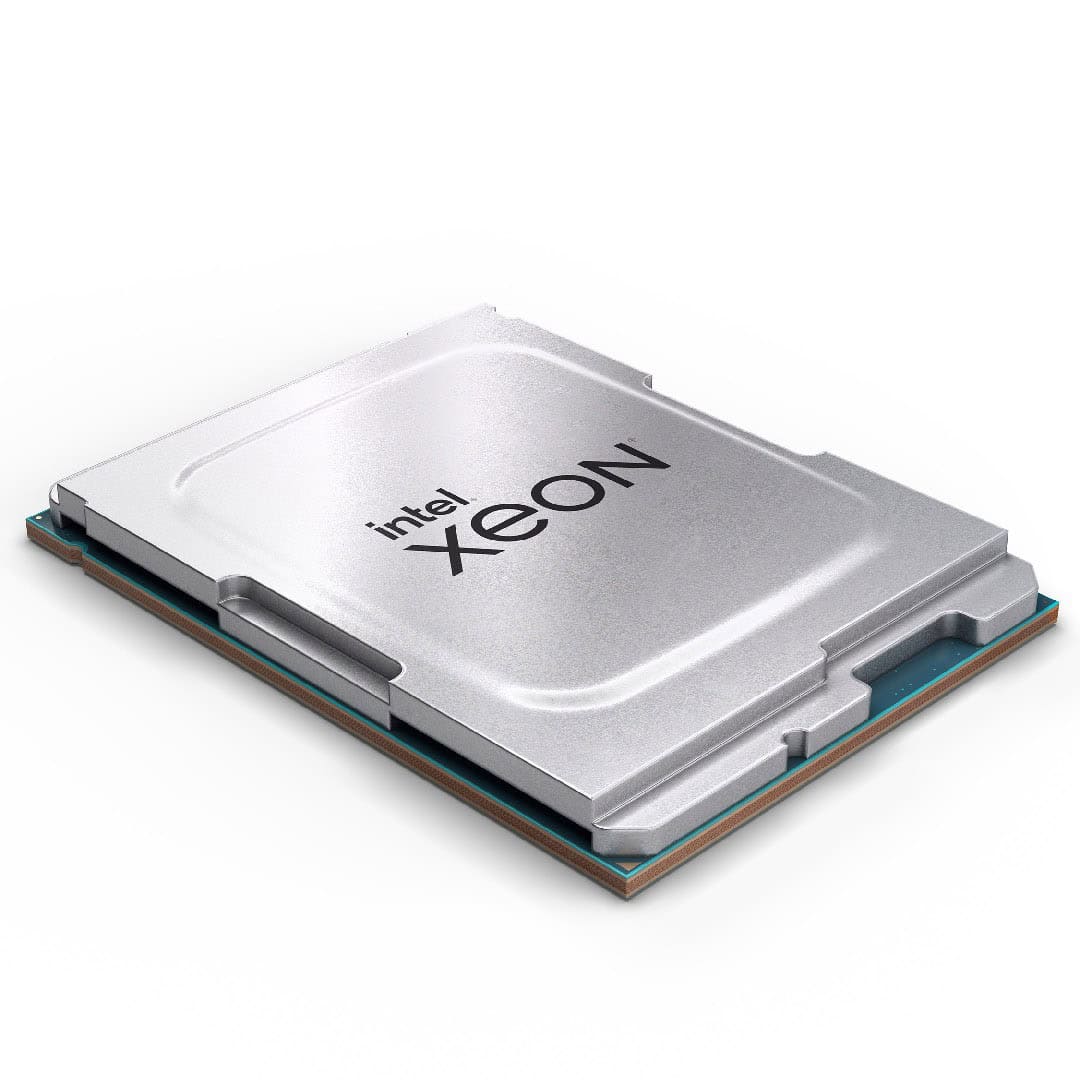
"Intel 7 still underpins a significant portion of Intel's portfolio, including Xeon server chips and desktop and notebook processors. The strong growth of AI workloads in data centers has significantly boosted demand for server processors. Intel, therefore, appears to be shifting capacity to its Datacenter and AI division."
"A source told Nikkei Asia how an order for 100 Intel 7 processors ultimately resulted in a shipment of only 30 units. Furthermore, ten of those chips were reportedly replaced by newer 18A processors that had not been explicitly ordered. According to the same source, manufacturers were told that the 18A CPUs would otherwise go to competing suppliers."
Read at Techzine Global
Unable to calculate read time
Collection
[
|
...
]