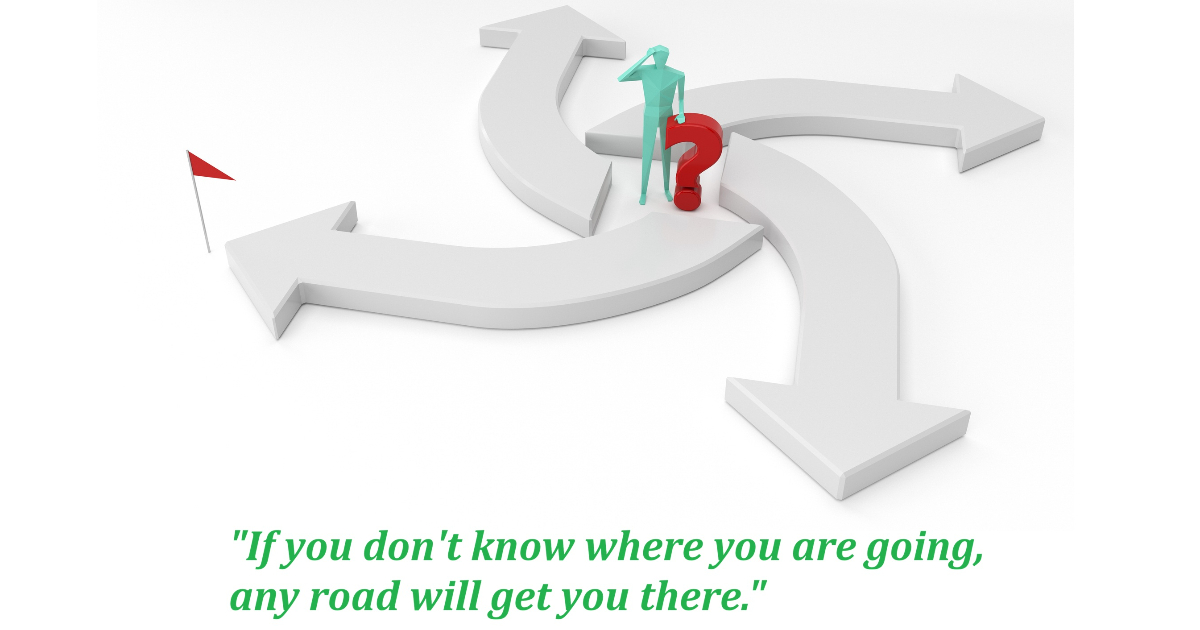
"Developing software is like taking a journey on which a team is continually making decisions about which way to go, both about the functionality of what they are building (the MVP), and also about what sort of architecture they need to support the MVP (the MVA). The main challenge in using this approach is building something quickly enough to release so that the team can get important feedback as soon as possible."
"One way to reuse architecture is to use that same platform or framework that other teams have used. A good platform or framework allows each team to focus on their own unique "value added". There is no value in building what others have already built, so teams who ignore platforms and frameworks are not focusing on the things that only they can do."
"Like an existing road that makes travel to a desired destination easier, a platform or framework may provide a shorter path to achieve MVP/MVA goals. Since exact customer needs are usually unknown, the path to a successful MVP/MVA is unclear. A platform or framework may get a team closer but they will often still need to find their own way. Platforms and frameworks make many decisions for you, some of which you don't need to make, and some that you won't agree with."
Developing software is a journey of decisions about product functionality (MVP) and the supporting architecture (MVA). The primary challenge is delivering quickly enough to obtain meaningful user feedback. Teams must choose between adopting existing platforms or frameworks and building custom architecture. Reusing platforms can accelerate progress by providing common capabilities and extension points, allowing teams to focus on unique value. Platforms and frameworks make many architectural choices, some unnecessary or undesirable for a team. Only experimental work and feedback can confirm whether a platform helps achieve goals. Three guiding questions are product worthiness, performance and scalability, and supportability.
Read at InfoQ
Unable to calculate read time
Collection
[
|
...
]