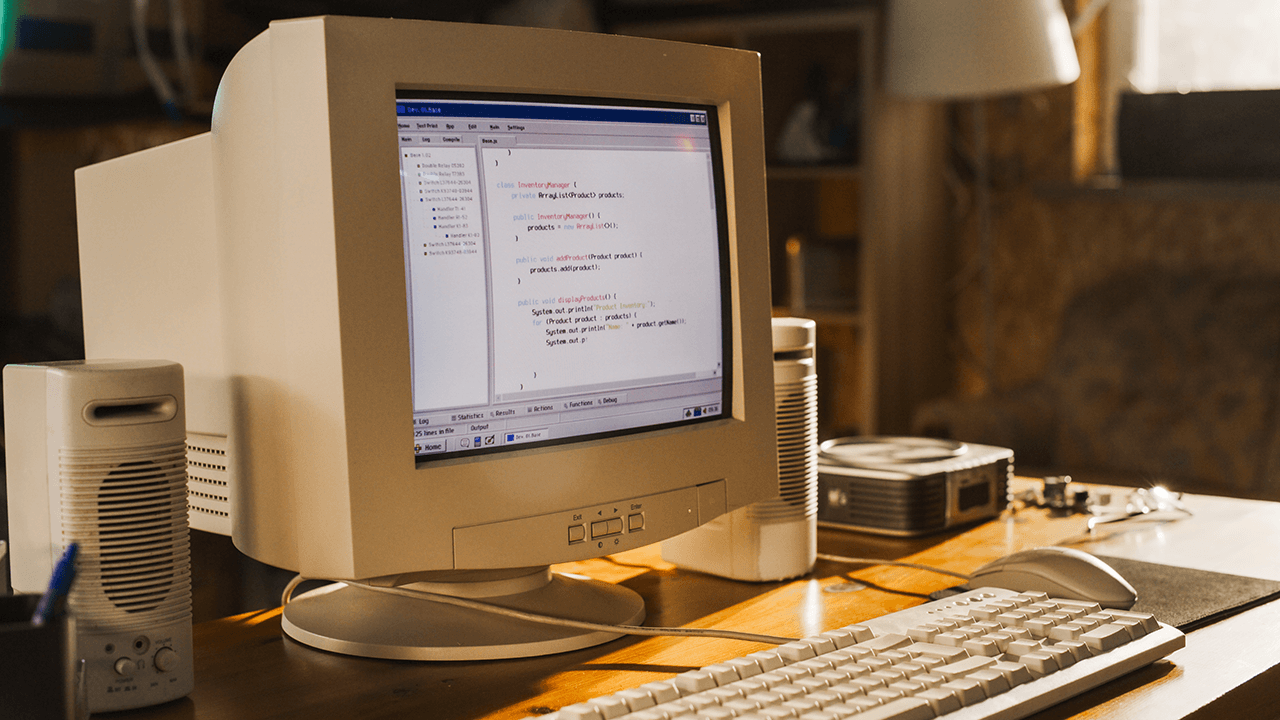
A slimmed Llama 2 model was run on a 1997 Pentium II system with 128 MB of RAM. The work used BitNet, which restricts neural network weights to ternary values of -1, 0, and 1. This reduces memory and compute requirements substantially. Output was generated slowly, but the system produced results. The project challenges the assumption that more AI always requires more machine resources. It also emphasizes that quantization, pruning, and data layout can offset reliance on large GPU capacity. The approach aligns with growing attention to energy use and sustainability in AI deployment.
"EXO Labs ran Llama 2 on a 1997 Pentium II with just 128 MB of RAM. BitNet used -1, 0, and 1 weights to cut AI memory and compute demands. Nvidia-era AI costs face pressure as EXO Labs pushes software-first efficiency. EXO Labs just taught a Pentium II with 128 MB of RAM a new trick: run a trimmed Llama 2 model, slowly but surely."
"The secret sauce is a software structure called BitNet. Instead of high-precision math, BitNet pushes neural networks to work with ternary weights, specifically 1, 0, and 1. That slashes compute and memory pressure to the bone. Output arrived slowly, word by word, but it arrived. The point was not speed, it was feasibility on severely constrained hardware."
"Today's AI stacks assume abundant GPUs. This project meets in the middle, showing that careful quantization, pruning, and data layout can offset brute force. It also nods to sustainability debates in the U.S., where the energy footprint of training and inference is drawing more scrutiny from policymakers and cloud buyers. Why this matters for developers a"
Read at news.bitcoin.com
Unable to calculate read time
Collection
[
|
...
]