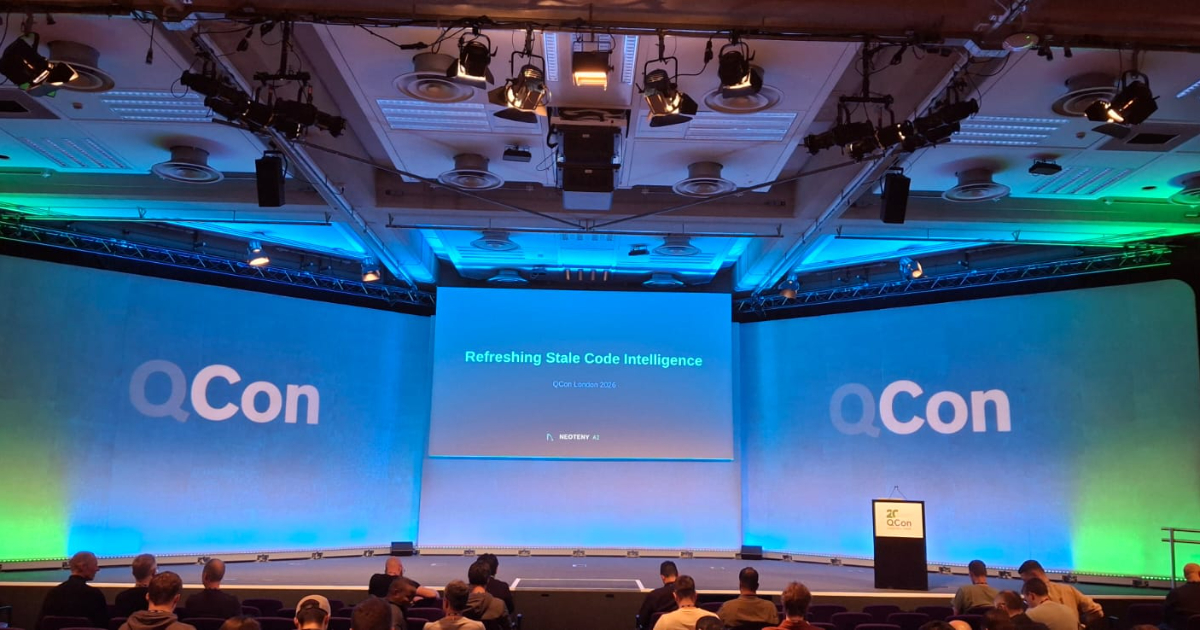
"Most coding models are trained on snapshots of public repositories that may be months old, and they rarely have access to an organization's internal code. As a result, the models can generate syntactically correct code but often fail to follow the architectural constraints and conventions that govern individual repositories."
"One trend highlighted in the talk is the rapid growth of AI-assisted contributions. Mentions of AI tools in pull requests across several large open source projects increased dramatically between 2022 and 2025. However, acceptance rates have moved in the opposite direction."
"According to Smith, the fundamental reason is that every repository has its own unwritten rules. These architectural constraints often live in the experience of senior engineers or in patterns embedded in a project's commit history rather than in formal documentation."
AI coding models face a structural gap between their training data and real-world codebases. Models trained on outdated public repository snapshots lack access to internal code and organizational conventions, producing syntactically correct but architecturally incompatible contributions. While AI-assisted pull requests increased dramatically from 2022 to 2025, acceptance rates declined simultaneously, indicating volume growth without quality improvement. Repositories contain unwritten architectural and procedural rules embedded in senior engineer experience and commit history rather than formal documentation. Architectural rules govern system structure including component registration and dependency handling, while procedural rules define code review and change introduction processes. This mismatch represents a fundamental challenge rather than a temporary limitation.
#ai-code-generation #repository-specific-knowledge #architectural-constraints #pull-request-acceptance #software-development-practices
Read at InfoQ
Unable to calculate read time
Collection
[
|
...
]