"Developers and data scientists are now expected to take responsibility for quality, security and outcomes across the lifecycle, rather than handing projects to a separate team for testing and validation. At the same time, platform engineering and ML practices have given teams more autonomy, letting them self-serve the tools they need to build, train, and deploy efficiently."
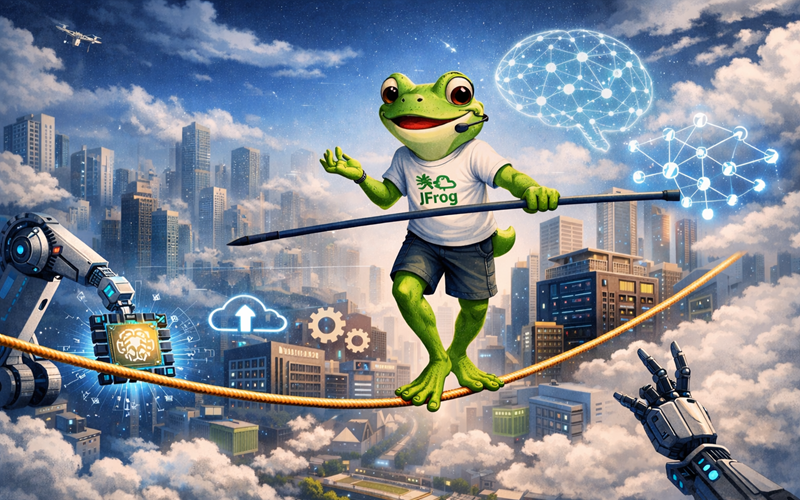
"Using AI to accelerate delivery might help meet a deadline, but it can just as easily compromise reliability, introduce vulnerabilities, or enable misuse. Problems that are much harder to fix once systems are in production. That's the tightrope modern software and AI teams are walking; speed is essential, but trust is non-negotiable."
"This autonomy also increases exposure, particularly with the rise of 'shadow AI', where AI tools and models are deployed without IT oversight. This highlights how easily unmanaged AI can bypass governance and introduce unmonitored risks across data, code, and infrastructure."
Software development velocity has accelerated through agentic AI functions integrated at multiple levels, creating both opportunities and risks. Developers and data scientists now own quality, security, and outcomes across the entire lifecycle rather than delegating to separate teams. Platform engineering and ML practices grant teams greater autonomy for self-service tool deployment. However, this autonomy increases exposure to risks, particularly through shadow AI deployments that bypass IT oversight and governance. The challenge lies in traversing this AI workflow landscape without sacrificing trust, as speed-focused development can compromise reliability, introduce vulnerabilities, and create production issues that are difficult to remediate.
#ai-workflow-governance #software-development-speed-vs-security #shadow-ai-risks #developer-autonomy #trust-and-reliability
Read at Techzine Global
Unable to calculate read time
Collection
[
|
...
]