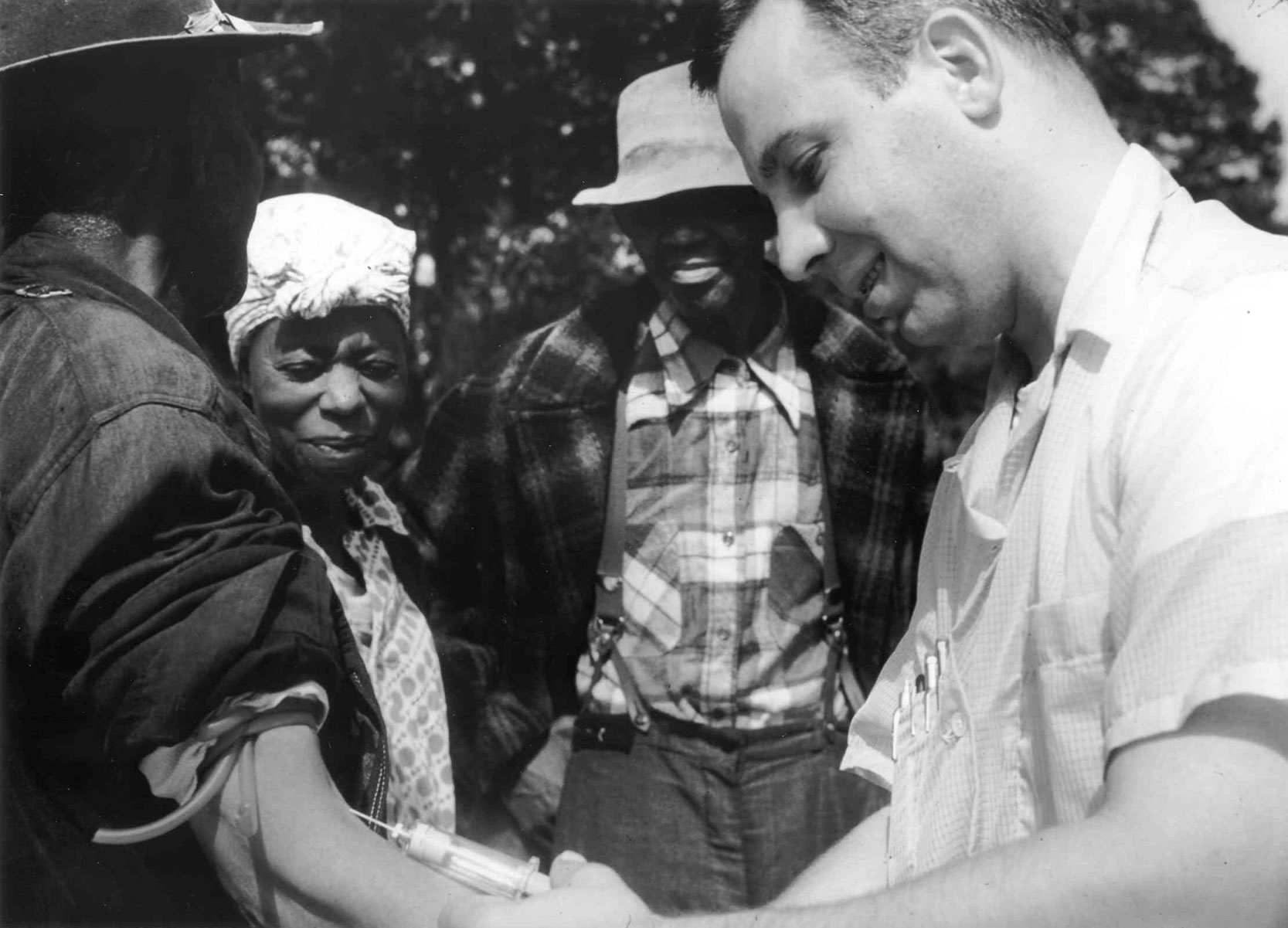
"The 399 participants, all suffering from syphilis, were told they had 'bad blood' so researchers could observe the progress of the untreated deadly disease in human subjects. The study ran from 1932 to 1972. In 1978, a national committee of physicians, lawyers, and scientists issued The Belmont Report, which outlined ethical guidelines."
"Black mortality rates are still significantly higher than those of white people in the U.S., said panelist David Augustin Hodge. 'Black people die at a faster rate. Life expectancy is lower,' said Hodge. Minority children 'are 3.5 times more likely to die in childhood' than white. These discrepancies translate to 'about 80 million years of life that have been lost between 1999 and 2020.'"
"Such deaths are often attributed to causes unrelated to race. For example, the higher mortality rate of Black people with COVID is blamed on co-morbidities. But the co-morbidities that make Black people more vulnerable, such as diabetes, are themselves products of systemic inequities."
A panel sponsored by Harvard Medical School and Tuskegee University emphasized the need for Black bioethics to address ongoing healthcare inequities. Historical injustices like the Tuskegee experiment, where 399 Black sharecroppers with syphilis were deceived and left untreated from 1932 to 1972, demonstrate systemic racism in medicine. Despite The Belmont Report's ethical guidelines in 1978 and President Clinton's 1997 apology, discrimination persists. Black mortality rates remain significantly higher than white rates, with minority children 3.5 times more likely to die in childhood. Between 1999 and 2020, approximately 80 million years of life were lost among Black Americans. COVID-19 disparities and higher mortality are often attributed to co-morbidities rather than systemic racism, obscuring the root causes of health inequities.
Read at Harvard Gazette
Unable to calculate read time
Collection
[
|
...
]