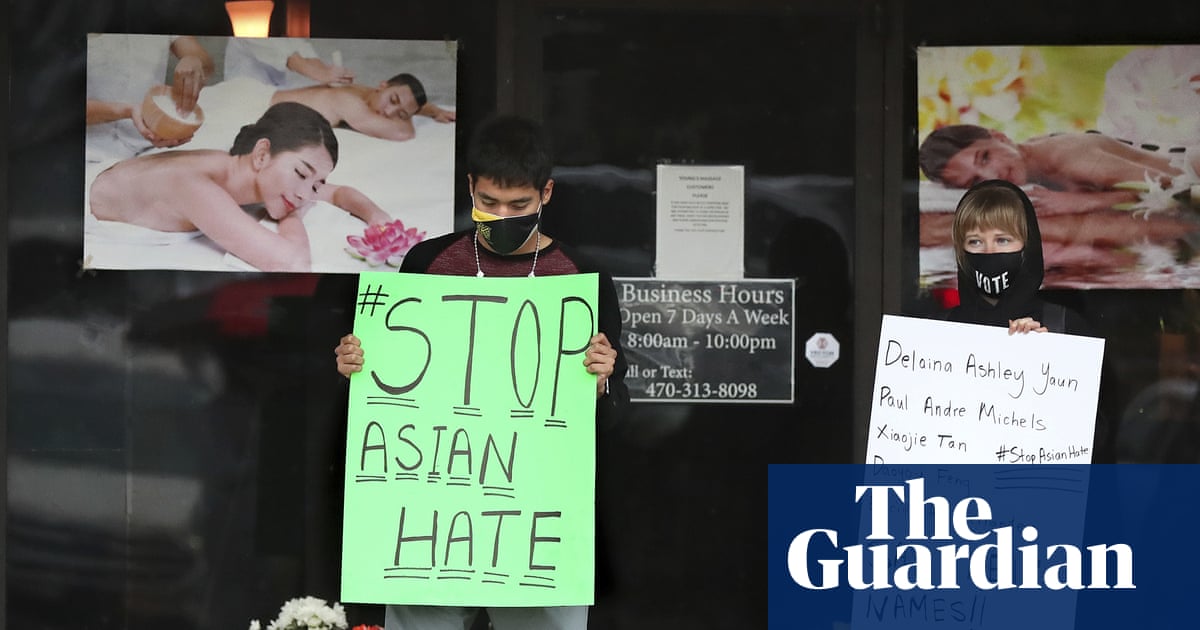
Five years after a gunman killed eight people, including six Asian women, at Atlanta-area spas on March 16, 2021, the Stop Asian Hate movement that emerged has stalled. The attacks occurred amid a pandemic-era surge in violence targeting Asian Americans, prompting widespread protests, mutual aid efforts, and policy changes. The movement initially appeared positioned to become a major social justice cause of the 2020s. However, within two years, momentum dissipated as media coverage declined and public attention moved elsewhere. The community became fractured over differing approaches to addressing hate crimes, particularly regarding police involvement in public safety. Under Trump's second administration, activists now face renewed challenges with an increasingly anti-immigrant political climate, forcing the movement to reassess its strategies and effectiveness.
"One of the things the initial Stop Asian Hate movement did was frame the issue around hate and interpersonal violence, said Phi Nguyen, the executive director at Asian Americans Advancing Justice Atlanta from 2021 to 2023. One of the policy responses we saw was more hate crime legislation, but I don't think those policies get to the root causes of violence."
"Hostility toward Asian Americans crested in the early months of 2020, as the country went into a pandemic lockdown and Trump, in his first stint as president, labeled Covid-19 the Chinese virus. Asian people across the country reported being shunned, spat on, bullied and beaten in public spaces. Racial slurs were deployed with abandon."
#stop-asian-hate-movement #anti-asian-violence-and-discrimination #social-justice-activism #hate-crime-policy #asian-american-community-organizing
Read at www.theguardian.com
Unable to calculate read time
Collection
[
|
...
]