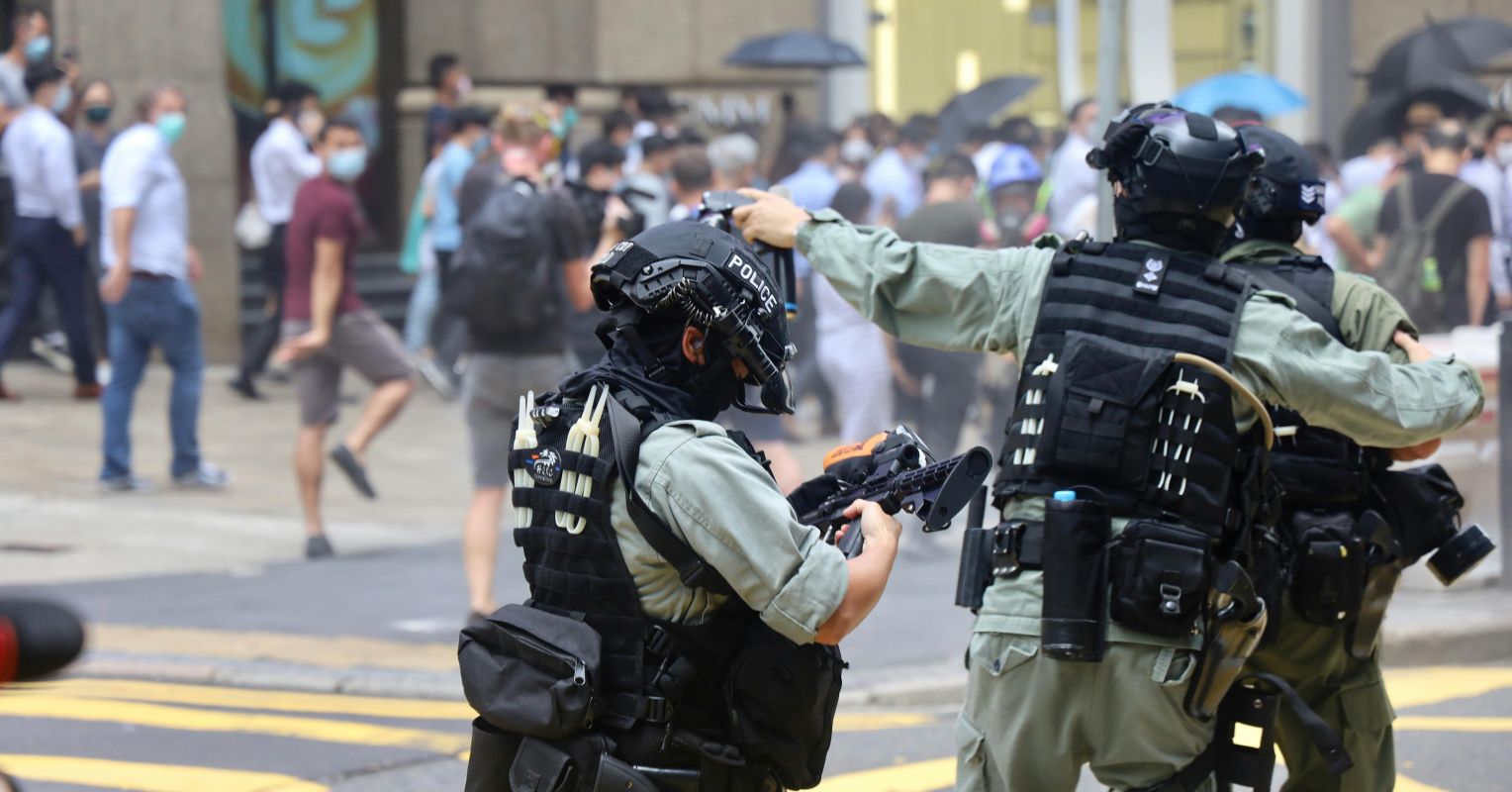
"Like us, you may feel paralyzed in the face of the relentless images of violence we see every day. Suffering children, military occupations, the devastated neighborhoods, the cries of parents mourning their dead-these scenes haunt us. Whether it is happening in Palestine or Minneapolis, we are witnesses to suffering, and that witnessing takes a heavy toll. Clearly, the devastating situations in the West Bank and Gaza and in Minneapolis differ"
"Anthropological research has shown how our instinct to look away but also gawk at violent acts is often manipulated by political actors to render us both complicit and helpless. Whether it is looking at "bloody deeds" in the Guatemalan genocide, the ruins of Palestine, or Operation Metro Surge by ICE in Minnesota, anthropologists have traced the ways in which we come to accept violence as a "nat"
Constant exposure to violent images can desensitize observers and normalize brutality, reducing willingness to intervene. Dehumanization of targeted populations makes them seem expendable and increases acceptance of violence against them. Blaming victims for their suffering shifts responsibility away from perpetrators and diminishes observers' motivation to act. Political actors manipulate voyeuristic tendencies and public attention to manufacture collective paralysis and complicity. Comparative examples include state-sanctioned violence in Guatemala, military occupation in Palestine, ICE operations in the United States, and urban police aggression. Research from anthropology and political psychology shows these psychological and systemic mechanisms combine to sustain and conceal atrocities.
Read at Psychology Today
Unable to calculate read time
Collection
[
|
...
]