"You are tasked with sending out the invitations, buying the ingredients, setting up the dining room, preparing the appetizers, the main course, and the dessert, handing out the food, and cleaning up. Sounds pretty overwhelming, right? Now imagine you find yourself the host of another dinner party, also for 10 people, except this time you will have some help."
"Independence focuses on one individual achieving a goal or task fully on their own. Interdependence is a dynamic, mutual process of reliance and support between two or more individuals to achieve a shared goal or task. The Push for Independence in People with Disabilities People with disabilities are often pushed by societal expectations towards this illusory ideal of independence. Often, rehabilitation goals, outsider opinions and internalized perceptions put this illusion of independence as the gold standard that every person with a disability should strive to achieve."
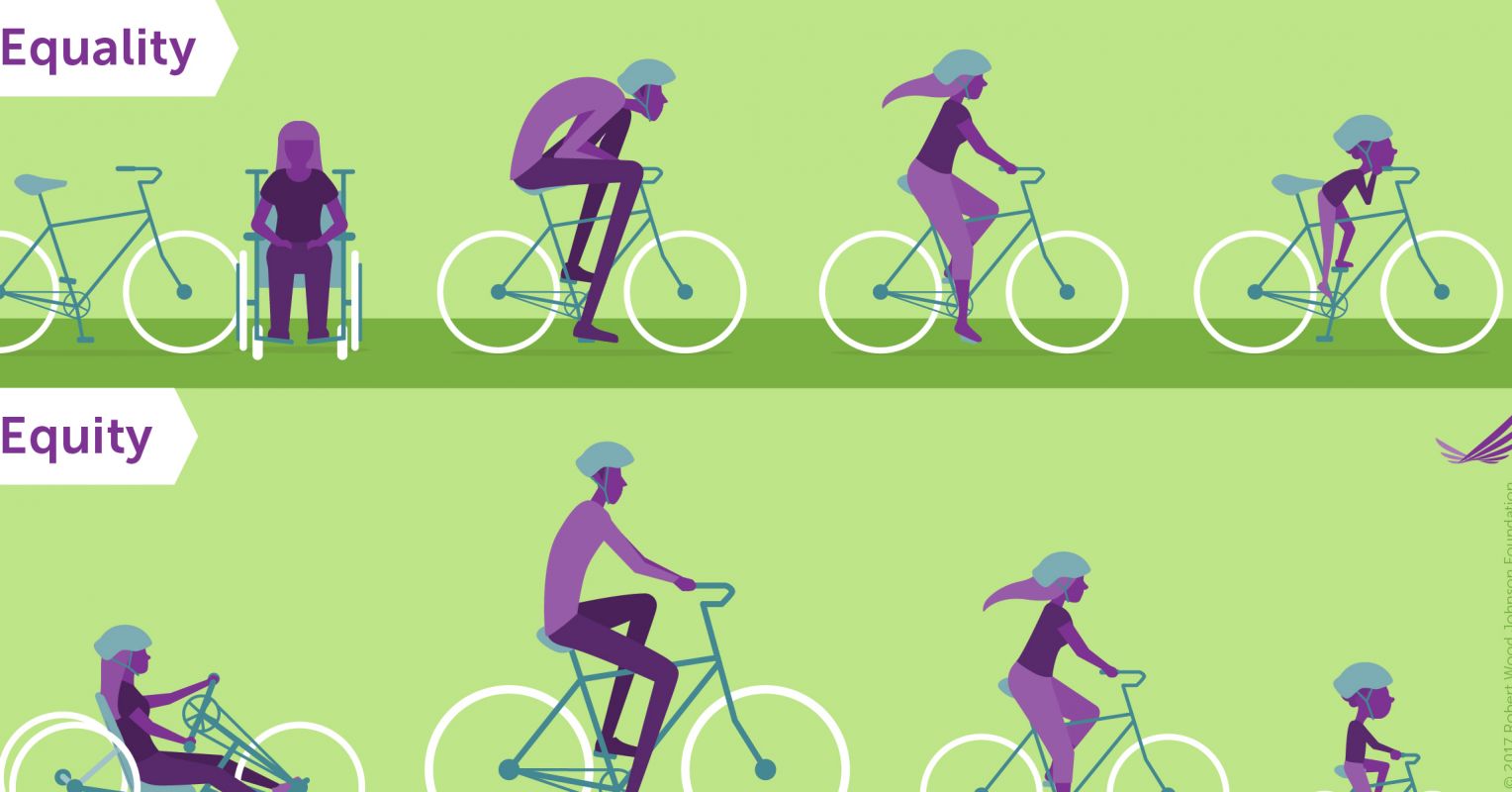
Interdependence is a mutual process where people share tasks and rely on one another to achieve common goals, contrasting with the ideal of independence where one person completes tasks alone. People with disabilities face societal pressure to meet an unrealistic independence standard through rehabilitation goals, outsider opinions, and internalized expectations. Recognizing interdependence applies equity principles by valuing diverse skills and contributions toward shared outcomes. Normalizing and destigmatizing mutual reliance allows people with disabilities to participate fully, reduces isolation, leverages community strengths, and promotes more inclusive, equitable environments that better reflect how humans naturally collaborate.
Read at Psychology Today
Unable to calculate read time
Collection
[
|
...
]