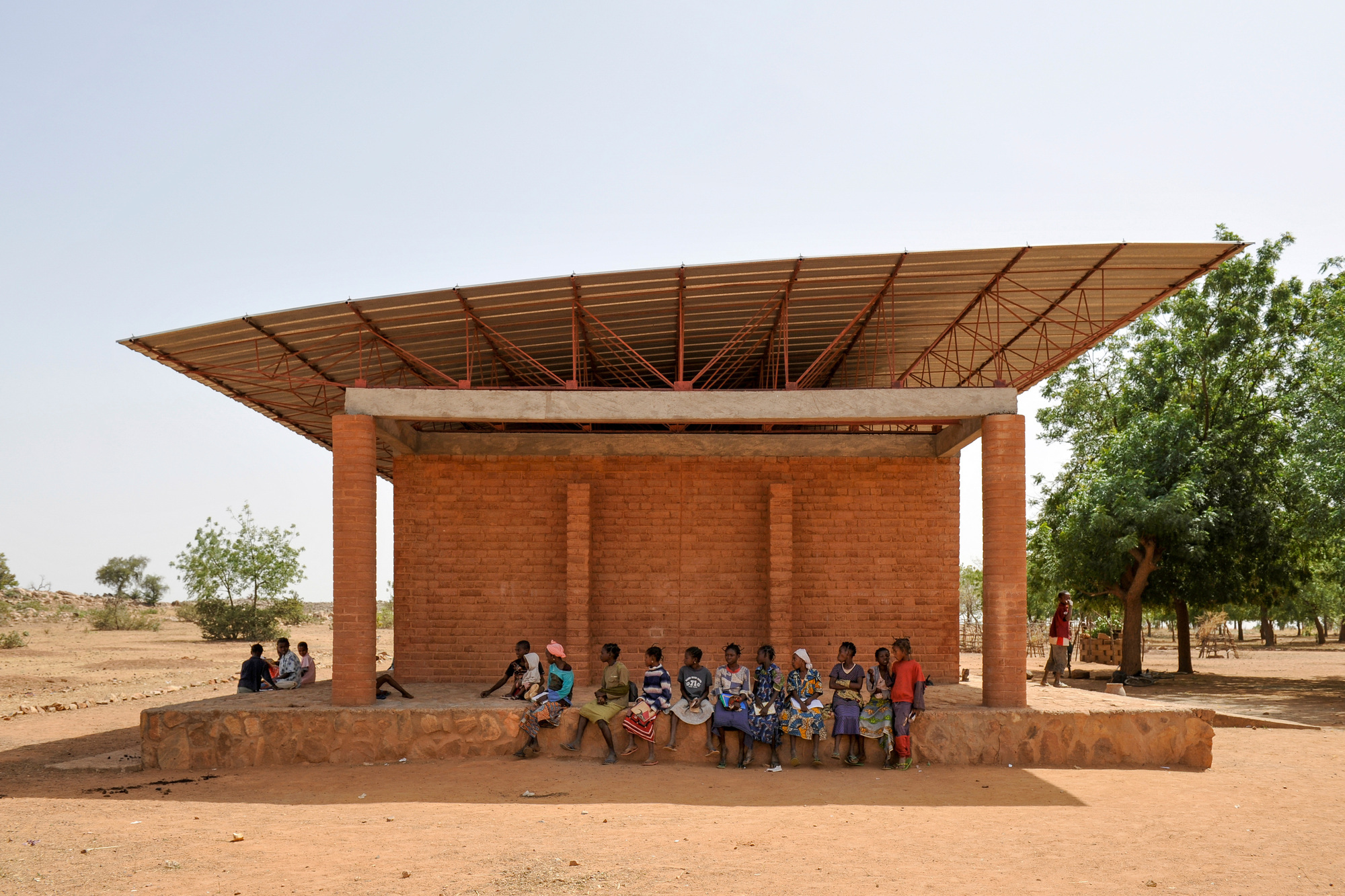
Africa Day is observed annually on May 25 to commemorate the founding of the Organization of African Unity in 1963, now the African Union. The day recognizes political solidarity alongside cultural, social, and intellectual histories shaping African societies. Architectural and urban practices reflect these histories through nation-building, heritage preservation, climate-responsive design, material innovation, and community-centered approaches. Architecture across the continent functions beyond construction by expressing collective identity, negotiating modernity, and responding to local conditions. Contemporary discourse challenges generalized ideas of “African architecture” by emphasizing regional diversity in materials, political histories, and spatial practices. Recent work revisits modernism’s legacy tied to independence movements and also engages indigenous building knowledge, earth construction, adaptive reuse, and resource-conscious methods addressing climate and social realities.
"Observed annually on May 25, Africa Day commemorates the founding of the Organization of African Unity in 1963, now the African Union. Established during a period marked by independence movements across the continent, the day recognizes not only political solidarity but also the cultural, social, and intellectual histories that continue to shape African societies today."
"Within architecture and urbanism, these histories are reflected in evolving conversations around nation-building, heritage preservation, climate-responsive design, material innovation, and community-centered practice. Across the African continent, architecture has long served as more than physical construction."
"From post-independence civic buildings and educational campuses to contemporary cultural institutions and experimental installations, the built environment has played an active role in expressing collective identity, negotiating modernity, and responding to local conditions. Recent architectural discourse has also increasingly challenged generalized narratives about “ African architecture,” instead foregrounding the diversity of regional experiences, material traditions, political histories, and spatial practices across different geographies."
"Many recent projects, exhibitions, and research initiatives have revisited the legacy of modernism across Africa, particularly the architectural transformations that accompanied independence movements during the mid-20th century. At the same time, contemporary practitioners are engaging with indigenous building knowledge, earth construction, adaptive reuse, and resource-conscious approaches that respond to climate and social realities."
#africa-day #african-union #architecture-and-urbanism #modernism-and-independence #climate-responsive-design
Read at ArchDaily
Unable to calculate read time
Collection
[
|
...
]