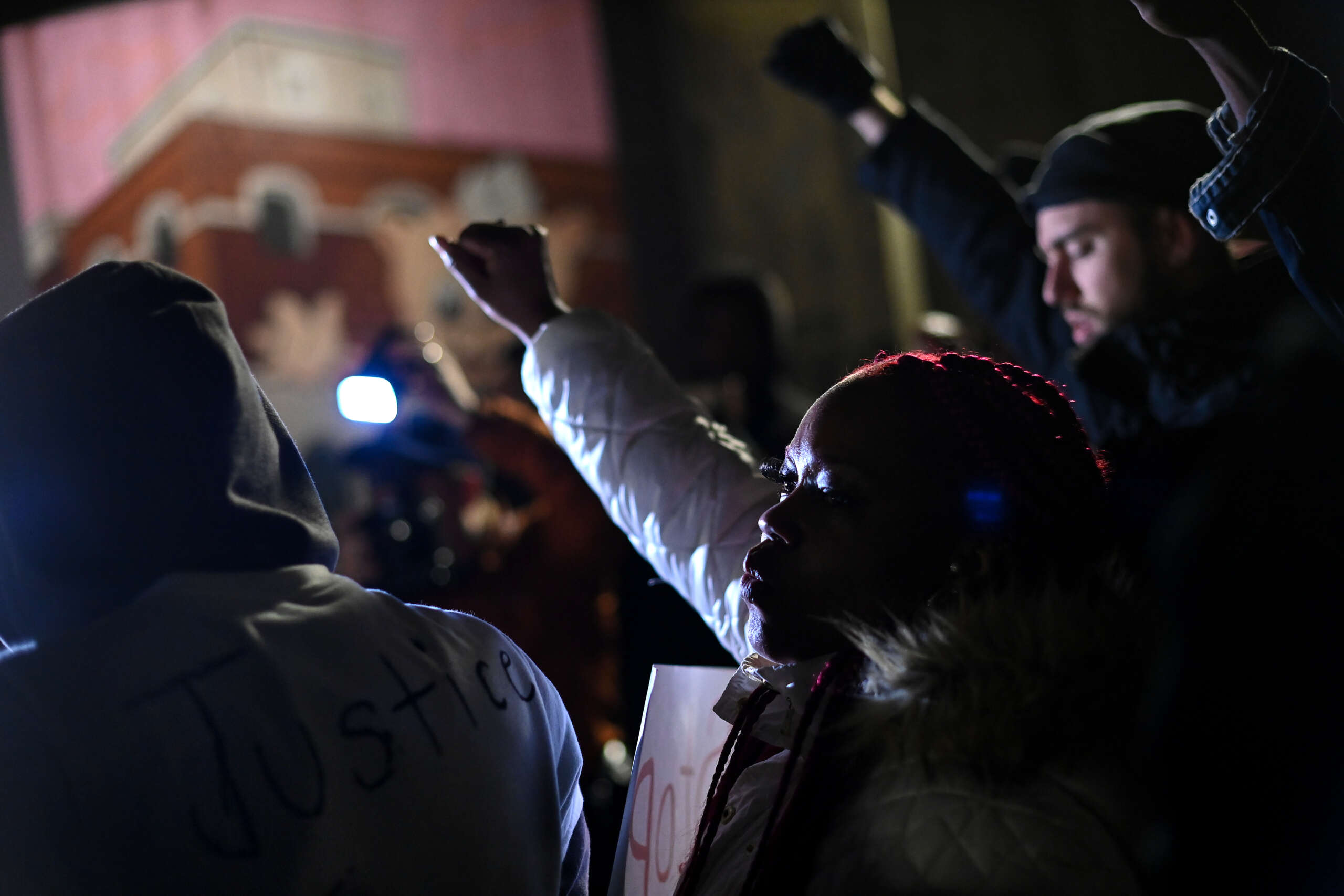
Elected officials often celebrate a softened Martin Luther King Jr. while avoiding the risks he embraced. He was actively surveilled, criminalized, and treated as a threat to the hegemonic order in the United States. Recent shootings involving federal agents tied to immigration enforcement and homeland security in Minneapolis and Portland highlight the expanding reach of federal policing, the militarization of law enforcement, and the dangers of unchecked surveillance powers. These incidents form part of a long arc of state authority asserting itself where dissent, migration, and racialized resistance converge. Under J. Edgar Hoover the FBI tapped King’s phones, tracked his movements, and weaponized his private life. King was targeted because he preached liberation.
"Every year on Martin Luther King Jr. Day, elected officials quote King while standing safely at a distance from the risks he embraced. His name is invoked, his image sanitized, and his politics stripped of urgency. The U.S. celebrates a softened King who spoke about love but not power, unity but not confrontation, peace but not disruption. What we rarely confront is this truth: Martin Luther King Jr. was not merely misunderstood in his time."
"Under the direction of J. Edgar Hoover, the FBI conducted an extensive campaign of surveillance against Martin Luther King Jr.: King's phones were tapped. His movements were tracked. His private life was scrutinized and weaponized. Hoover famously described King as "the most dangerous Negro in America," not because King was violent, but because he was effective. Hoover feared what he called the rise of a "Black Messiah" - a leader capable of unifying Black people across class lines and mobilizing moral resistance to state violence."
Read at Truthout
Unable to calculate read time
Collection
[
|
...
]