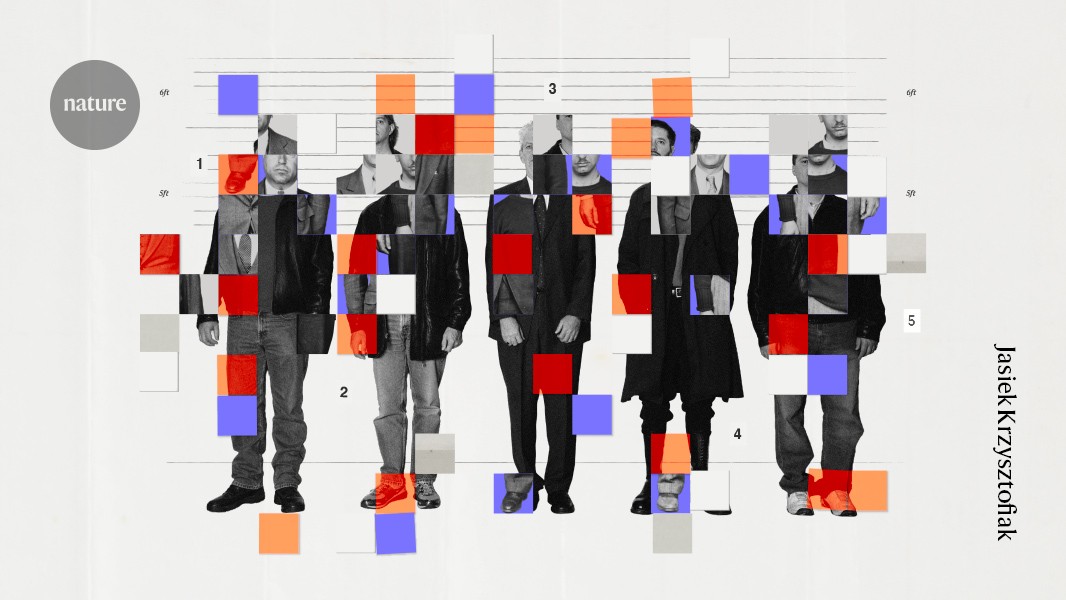
Two men killed Betty Black in Farmers Branch, Texas, in late January 1998. A neighbor, Jill Barganier, reported seeing two white men with long hair near Black’s home. The next day she identified Richard Childs as the driver. Police then focused on Charles Don Flores as a second suspect. On February 4, an officer used forensic hypnosis to prompt Barganier’s memory, suggesting one man might have neatly trimmed hair. She again described a white man with long hair and produced a composite sketch that did not match Flores, and she did not recognize Flores in a photo lineup. In March 1999, her testimony changed, identifying Flores with high certainty. Without DNA evidence, this identification supported a capital murder conviction and a death sentence.
"A few hours later, an eyewitness - Black's neighbour - described what she had seen to police. She said that two white men with long hair had got out of a car and walked towards Black's house in the early morning light. The neighbour, Jill Barganier, went to the police station the next day and identified Richard Childs, a white man with long hair, as the car's driver. Childs would later confess to his involvement and serve 16 years in prison."
"On 4 February, Barganier was called to the police station. There, in an attempt to jog her memory, an officer used 'forensic hypnosis', a discredited practice that has since been discontinued in Texas and many other jurisdictions. During the session, he suggested to Barganier that one of the men might have had "neatly trimmed" hair. She once again described the passenger as a white man with long hair and then helped police to produce a composite sketch that looked nothing like Flores."
"More than a year later, however, in March 1999, Barganier's memory had changed. She testified in court that Flores was in the car, saying that she was "over 100 percent" sure that he was the man she had seen. In the absence of DNA evidence connecting Flores to the crime, this testimony became the cornerstone of the prosecution's case. A jury convicted Flores of capital murder, and he is currently on death row."
"For decades, researchers have raised concerns about the reliability of eyewitness testimony in criminal cases. Memories can be "
Read at Nature
Unable to calculate read time
Collection
[
|
...
]