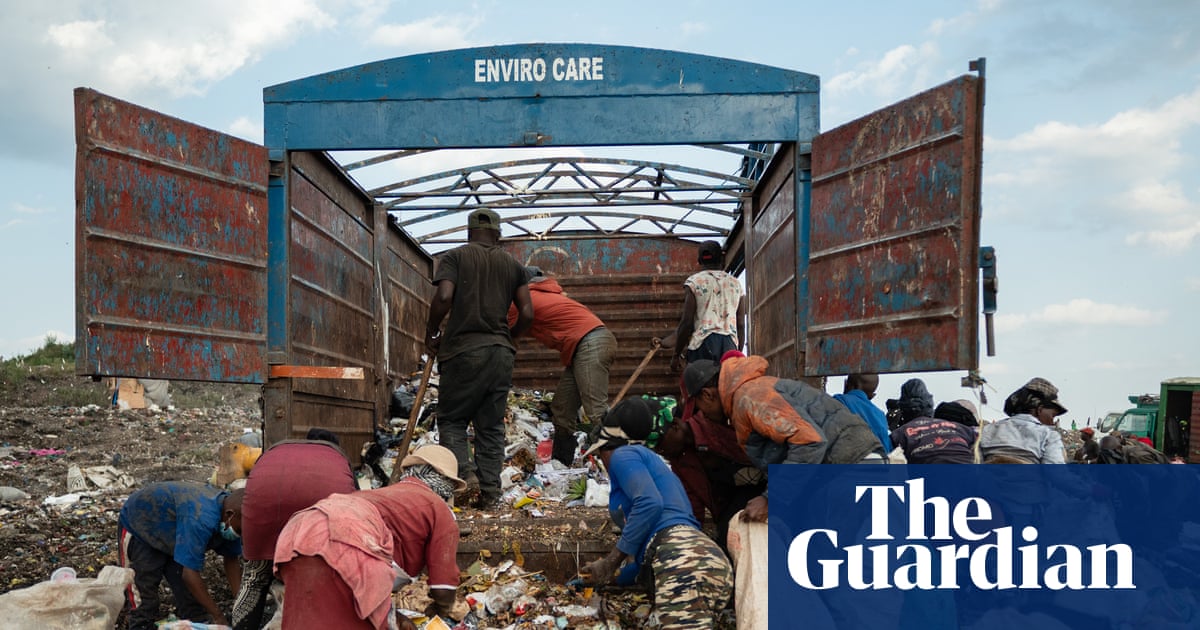
Dandora, Kenya's largest dump spanning 12 hectares near Nairobi River, receives 2,000 tonnes of waste daily. Thousands of waste pickers, predominantly women, manually sort through unsorted trash to recover recyclables including plastics, metals, and textiles, earning minimal wages of 300-500 Kenyan shillings daily. Pre-sorting practices by companies have significantly reduced profitable materials reaching the dump, forcing pickers to work substantially harder for the same meager earnings. A study found 86 of 100 waste pickers report worsened economic situations due to increased competition, reduced recyclables, fewer truck arrivals, and rising living costs. These essential workers remain largely invisible in global recycling discussions despite feeding international supply chains.
"Each day, thousands of waste pickers, predominantly women, sift through tonnes of unsorted trash, recovering recyclables that feed global supply chains. They collect a range of materials: plastics, metals, textiles and more selling to aggregators and farmers and earning just 300-500 Kenyan shillings (1.75-2.90) a day."
"In recent years, the pre-sorting of waste has reduced the amount of profitable materials arriving at the dump, forcing pickers such as 34-year-old Esther Kavini, who has been there for most of her life, to work five times harder for the same meagre earnings. Trucks now deliver mostly unsellable rubbish."
"In a recent study by the Strategic Sector Cooperation on Circular Economy and Waste Management between Denmark and Kenya, in collaboration with Nairobi Recyclable Waste Association, 86 of 100 waste pickers interviewed at Dandora report that their economic situation has worsened due to increased competition, reduced recyclables from pre-sorting, fewer truck arrivals and rising living costs."
#waste-pickers-invisibility #circular-economy-inequality #dandora-dump-kenya #informal-recycling-workers #environmental-justice
Read at www.theguardian.com
Unable to calculate read time
Collection
[
|
...
]