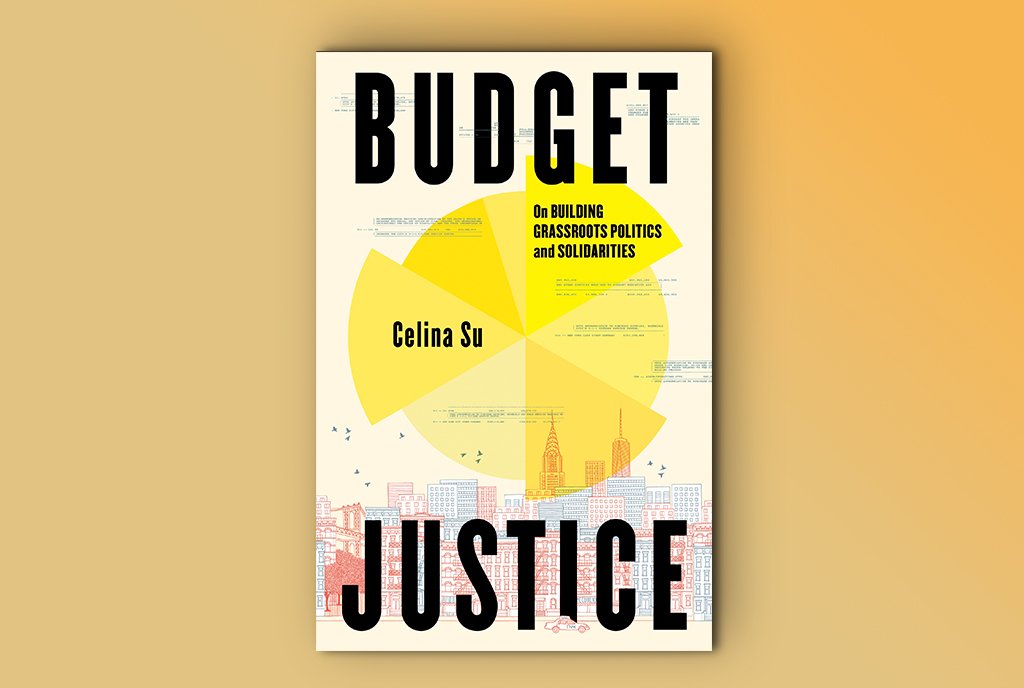
"Truth to Power is a regular series of conversations with writers about the promises and pitfalls of movements for social justice. From the roots of racial capitalism to the psychic toll of poverty, from resource wars to popular uprisings, the interviews in this column focus on how to write about the myriad causes of oppression and the organized desire for a better world. This installment accompanies an excerpt from Celina Su's new book Budget Justice: On Building Grassroots Politics and Solidarities."
"I define budget justice as giving everyday residents, especially those from historically marginalized communities, the resources and power to address their needs. What led me to write Budget Justice was seeing this very term on so many placards during the 2020 uprisings and protests. That really struck me, because to me talk about budgets is usually done by policy wonks, and I hadn't seen it as a popular term before."
Budget justice means giving everyday residents, especially historically marginalized communities, the resources and power to address their needs. The term entered popular protest language during the 2020 uprisings when placards demanded budgetary control and redistribution. Participatory budgeting is a practical mechanism that enables residents, rather than elected officials, to allocate public funds and centers participation alongside fiscal decisions. City budgets operate as sites of contestation where priorities reflect political values about law, procedure, and individual rights versus collective redistribution. A renewed democracy would move beyond liberal representative forms toward collective decision-making, redistribution, and grassroots power to reshape fiscal priorities.
Read at Nonprofit Quarterly | Civic News. Empowering Nonprofits. Advancing Justice.
Unable to calculate read time
Collection
[
|
...
]